

How long you need storage for decides most of the rest. It affects where your belongings should sit, how you pack them, how often you'll need to access them, and what you'll pay overall. A few weeks between settlements calls for something different from a year overseas.
This guide explains the difference between short-term and long-term storage, when each one makes sense, and how mobile storage covers both without moving your things twice.
What Is the Difference Between Short-Term and Long-Term Storage?
Short-term storage usually means a few days to around three months. Long-term storage generally means six months or more, and often a year or longer. There's no official cut-off, but those ranges are how most people and storage providers think about it.
| Short-term storage | Long-term storage | |
|---|---|---|
| Typical duration | A few days to about 3 months | 6 months to several years |
| Common reasons | Moving, settlement gaps, renovations, staging a home for sale | Travel, interstate moves, downsizing, keeping belongings you'll need later |
| How often you access it | Often, or not at all until the end | Rarely |
| Packing priority | Speed and easy unloading | Protection from moisture, dust and pressure over time |
| Where it often sits | On your property, close at hand | In a secure warehouse |
Your needs can also change partway through. A two-week settlement gap can stretch to two months, or a renovation can grow into a rebuild. That's why it helps to choose storage that doesn't lock you into a fixed term or force you to unload and reload when plans change.
When Is Short-Term Storage the Better Option?
Short-term storage suits times when your belongings need a temporary home, and you already know roughly when they'll go back in.
Moving house and settlement delays
Settlement dates don't always line up. You may need to be out of your old place a week or two before you can get into the new one, or a settlement gets pushed back at the last minute. Short-term storage covers that gap so you're not paying removalists to unload into a storage facility and then reload again a fortnight later. If you're moving within Melbourne or Adelaide, or between the two, a moving pod can hold your things through the gap and then be delivered to your new address.
Renovations and temporary accommodation
Painting, new floors or a kitchen refit all need clear rooms. Moving furniture out protects it from dust, paint and damage and gives tradies room to work. If you're staying with family or in a short-term rental during the works, storage keeps your belongings out of the way until the job is finished.
Decluttering and preparing a property for sale
Buyers respond better to homes that feel spacious. Storing extra furniture, personal items and clutter before photos and open inspections helps rooms look larger and makes styling easier. Once the property sells, you can move your stored items straight to your next home.
When Should You Consider Long-Term Storage?
Long-term storage makes sense when you won't need your belongings for six months or more, but you aren't ready to sell or give them away.
Extended travel or relocating interstate
If you're heading overseas for a year, taking a work posting or moving interstate before you've found a permanent home, it rarely makes sense to keep paying rent just to house furniture. Long-term storage lets you end your lease, keep your belongings safe, and have them delivered when you're settled.
Downsizing without selling furniture
Moving to a smaller home often leaves you with more furniture than fits. Pieces with sentimental value, items you plan to pass on to family, or quality furniture you'll want in a future home can be stored rather than sold cheaply in a hurry.
Storing household belongings, furniture and seasonal items
Long-term storage also suits things you use rarely: camping gear, Christmas decorations, winter bedding, children's toys and clothes kept for younger siblings, or furniture between homes. Storing them frees up space at home without losing them.
What Should You Consider When Storing Furniture Long-Term?
A little preparation before you pack makes the difference between furniture that comes out exactly as it went in and furniture that needs repairs.
Preparing furniture and appliances for storage
- Clean everything first. Dust, crumbs and food residue attract pests and can stain over time.
- Take apart what you can, such as bed frames, table legs and shelving. Keep screws and bolts in labelled bags taped to the matching piece.
- Empty, defrost and dry fridges and freezers at least 24 hours before storage, then keep the doors slightly open to stop mould and odours.
- Drain washing machines and dishwashers completely.
- Wrap mirrors, glass and artwork in bubble wrap or moving blankets, and stand them upright rather than flat.
Protecting belongings from moisture and damage
- Make sure everything is completely dry before it goes in. Damp items are the most common cause of mould in storage.
- Use breathable furniture covers, sheets or moving blankets instead of plastic, which traps condensation.
- Add moisture absorbers for longer stays, and replace them if you visit.
- Put heavy items at the bottom and towards the back, with lighter boxes on top. Don't stack heavy boxes on upholstered furniture.
- Leave a small gap between furniture and the walls so air can circulate.
Choosing the right storage unit size
Too small means overloading and crushed items. Too large means paying for empty space and letting things shift in transit. As a guide, a medium gobox (3.6m long, 2.2m wide and 2.2m high) suits the contents of a 1–2 bedroom home. A large gobox (4.8m long, 2.2m wide and 2.2m high) holds more, and a home of five or more bedrooms usually needs two large units. See the full storage unit size guide for more detail.
Understanding access requirements
Think about whether you'll need anything before the storage period ends. Pack items you might need, such as documents, seasonal clothes, or tools, near the door, and label boxes on several sides. Before you book, ask how you'll access your belongings during storage and how much notice you need to give.
How Does Mobile Storage Work for Short-Term and Long-Term Needs?
Mobile storage brings the unit to you, so the same gobox works whether you need it for two weeks or two years.
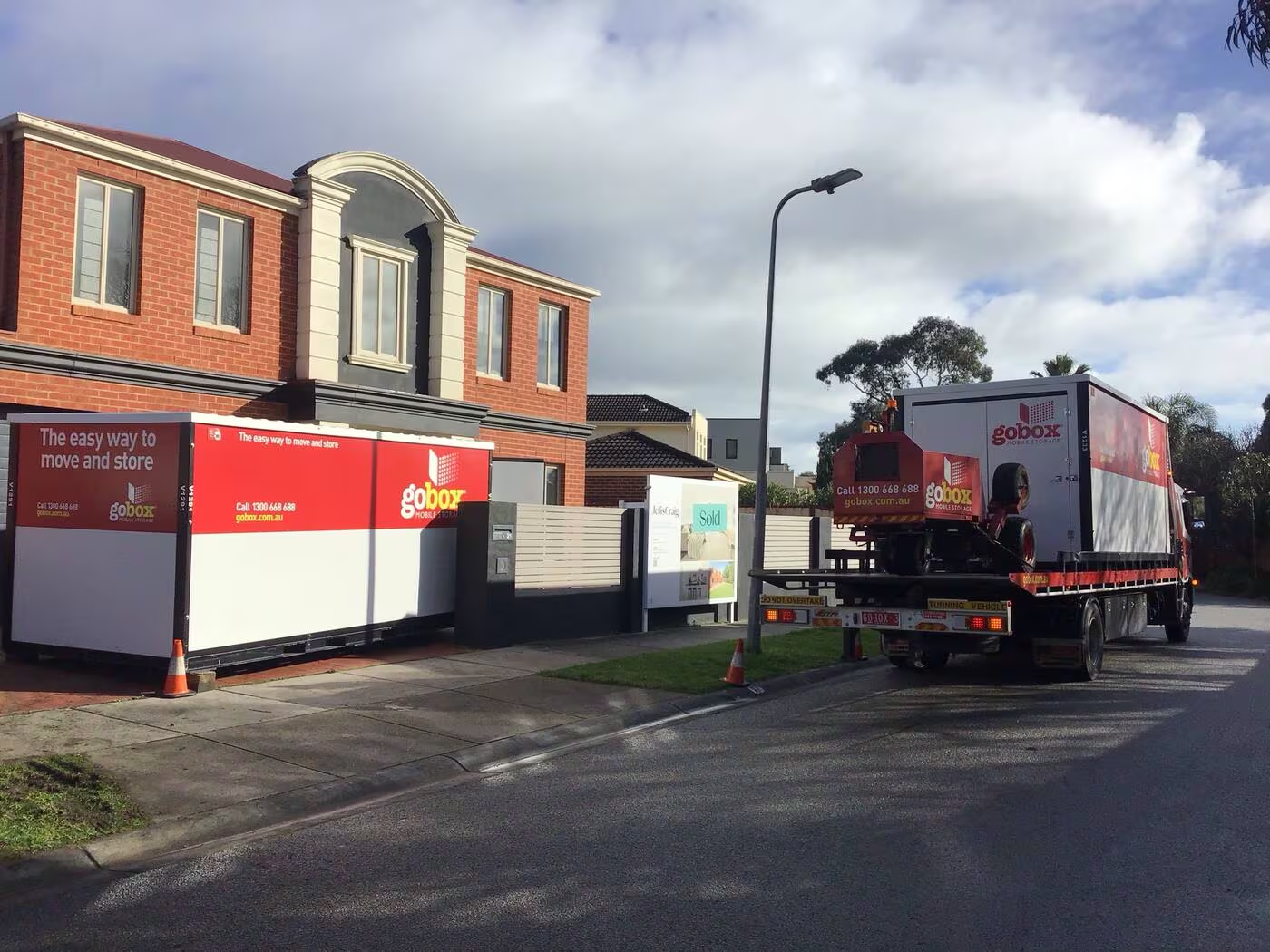
- Book and we deliver. Call 1300 668 688 or request a quote online. We'll help you choose the right size and drop your gobox at your home or business. Our delivery system can place units in tight driveways where a standard truck can't reach.
- Load at your own pace. Pack over a few hours or a few weeks. There's no truck waiting and no hourly removalist rate.
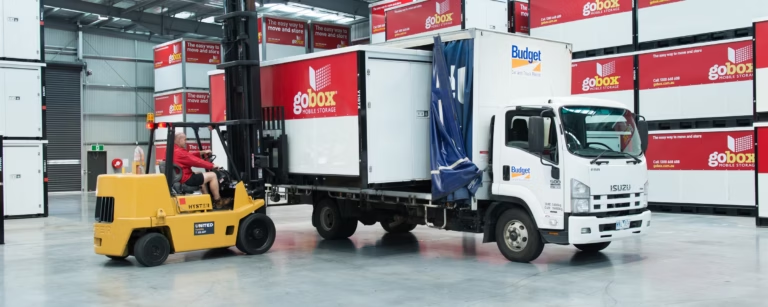
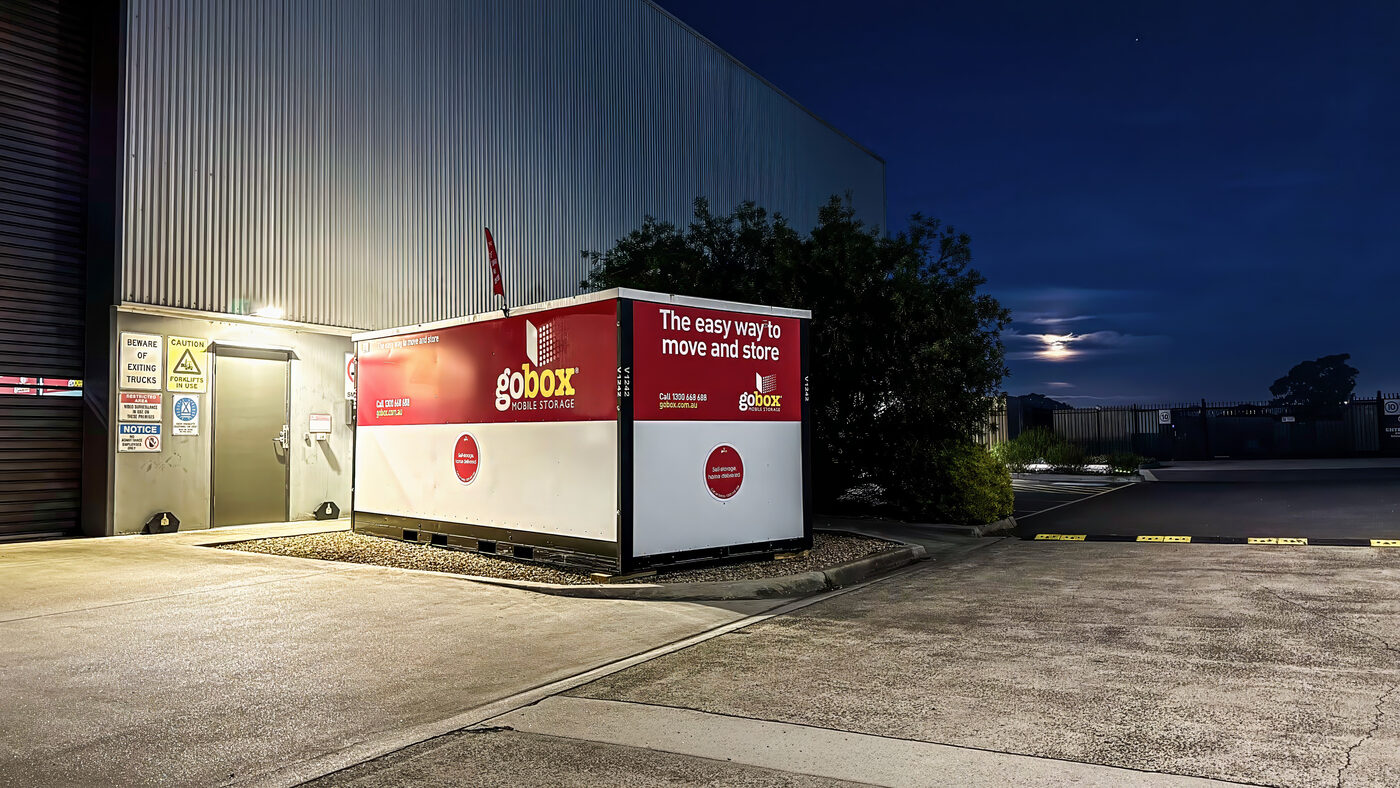
- Store at yours or ours. For short-term needs, keep the gobox on your property for as long as you need it. For long-term needs, we collect it and store it at our secure warehouse in Dandenong South (Melbourne) or Marleston (Adelaide).
- Deliver it where you need it. When you're ready, we deliver the gobox back to you or to a new address, locally or between Melbourne and Adelaide.
The convenience of loading at your property
Because you load at home, everything is handled once: you pack it, and you unpack it at the other end. You choose what goes where, take breaks when you need to, and avoid carrying everything to a car or trailer. gobox units are made of steel and built for Australian weather, so a unit sitting in your driveway during a renovation keeps your things protected.
How mobile storage differs from traditional self-storage
| Mobile storage (gobox) | Traditional self-storage | |
|---|---|---|
| Getting items to storage | Unit delivered to your door | You hire a truck or removalist and drive to the facility |
| Loading | Once, at your property | Load a truck, then unload into the unit |
| Moving to a new home | Same unit delivered to the new address | Reload a truck, drive and unload again |
| Storing on site | Yes, at your property | No |
| Access | Delivered back to you, or visit the warehouse | Visit the facility during its opening hours |
If you change your mind, you can switch between storing at home and storing at our warehouse partway through, without repacking.
Choosing the Right Storage Solution for Your Needs
The right choice comes down to four things:
- Duration: a few weeks points to short-term storage on your property. Six months or more usually points to warehouse storage.
- Convenience: think about how much lifting, driving and double-handling you're willing to do. Mobile storage cuts out most of it.
- Accessibility: if you'll need items regularly, keep them close. If you won't, secure warehouse storage is the better fit.
- Cost: compare the full cost, not only the monthly rate. Truck hire, removalist hours and a second move all add up with traditional storage.
Whatever your timeframe, gobox lets you start with one option and change as your plans do. Explore our long-term storage options, check the unit sizes, or see our Melbourne and Adelaide storage pages. For a quote, call 1300 668 688.
Frequently Asked Questions
What is considered long-term storage?
Long-term storage generally means storing belongings for six months or more. Anything under about three months is usually called short-term. gobox has no minimum or maximum term, so you can keep your unit for as long as you need it.
Is long-term storage cheaper than short-term storage?
The monthly rate is often similar. The difference is the cost of getting items in and out. With mobile storage, delivery and collection are one-off trips, so the longer you store, the less those trips cost per month. Call 1300 668 688 for a quote based on your unit size and storage period.
Can you store furniture for 12 months or longer?
Yes. Furniture stores well for a year or more if it's clean, completely dry, covered with breathable material and packed with heavy items at the bottom. For long stays, warehouse storage keeps your gobox secure and off your property.
What size storage unit do I need for household furniture?
A medium gobox suits the contents of a 1–2 bedroom home. Larger homes need a large gobox, and a home of five or more bedrooms usually needs two large units. Our size guide has more detail, or call us for a recommendation.