


University life often means moving between share houses, student accommodation and rental properties. Whether you're heading home for semester break, travelling overseas, or waiting for your next lease to begin, finding somewhere to store your belongings can be challenging.
From furniture and textbooks to kitchen appliances and clothing, students can accumulate more belongings than they realise.
The good news is that a little planning can make moving and storing your belongings much easier.
Here are our practical storage tips for Melbourne university students, including how to organise your belongings, reduce moving costs and prepare for your next semester.
1. Plan Your Storage Before Semester Ends
One of the biggest challenges students face is the gap between moving out of one property and moving into another.
Your rental agreement might finish before your next accommodation is available, leaving you with furniture, boxes and household belongings that need somewhere to go.
Rather than leaving everything until moving day, start planning a few weeks before your lease ends.
Consider:
- When you need to move out
- When your next accommodation becomes available
- How much furniture and how many boxes you need to store
- Whether you'll need access to your belongings during the break
- Whether your belongings need to be delivered to a different address
If you're moving between rentals or heading home for the holidays, explore our student storage in Melbourne options to see how mobile storage could fit your plans.
2. Declutter Before Packing
Moving is a great opportunity to sort through your belongings.
University students often collect textbooks, kitchenware, clothing and furniture over several years. Not everything needs to move with you to your next home.
Before packing, separate your belongings into four groups:
- Keep: Items you regularly use or want in your next home.
- Store: Belongings you want to keep but won't need immediately.
- Donate or sell: Items in good condition that you no longer use.
- Recycle or dispose of: Broken or unwanted items that cannot be reused.
Decluttering before moving can reduce the amount of storage space you need and make unpacking easier.
3. Pack Your Belongings Properly
Good packing makes a big difference when storing belongings for several weeks or months.
Start with sturdy moving boxes and avoid overpacking them. Heavy items such as books should go into smaller boxes, while larger boxes are better suited to lightweight belongings.
For furniture, use protective covers and padding to help prevent scratches during loading and transport.
A few simple packing tips include:
- Label boxes with their contents and destination room.
- Wrap fragile items individually.
- Keep important documents and valuables with you.
- Clean and dry appliances before storing them.
- Use suitable covers for mattresses and upholstered furniture.
- Place heavier boxes underneath lighter items.
It also helps to create a basic inventory so you know what's in storage when you return.
4. Consider Sharing Storage With Housemates
If you're moving out of a share house, you may not be the only person needing storage.
Sharing a storage unit with housemates can reduce the cost per person.
For example, several students might store desks, chairs, kitchen appliances, boxes, and small furniture items during the same semester break.
Instead of arranging separate storage spaces, you could combine suitable belongings into one larger unit.
Before sharing, agree on who will manage the booking, how costs will be divided and when everyone will need their belongings again.
Make sure the storage unit has enough space for everyone's items and keep boxes clearly labelled.
5. Think About Storage During Overseas Travel
Melbourne has a large international student community, and many students travel home between semesters or spend time overseas on exchange.
Taking furniture, bedding, kitchenware, and other household belongings overseas is usually impractical.
Selling everything and buying replacements when you return can also become expensive.
For longer breaks, consider storing belongings you plan to use again.
This may include:
- Beds and mattresses
- Desks and study chairs
- Kitchen appliances
- Clothing and bedding
- Books and study materials
- Small household furniture
If you'll be away for several months, long-term storage may be worth considering.
6. Choose Storage Based on How Long You'll Be Away
Not every student needs storage for the same length of time.
Some only need somewhere to keep their belongings for a few weeks between leases. Others may be away for an entire semester or longer.
Before booking, think about how long you expect to store your belongings and whether your plans could change.
Short-term storage may suit students moving between rental properties or waiting for new accommodation to become available.
Longer-term storage may suit international students, overseas exchanges, or extended travel.
If your moving dates don't line up, temporary storage can help bridge the gap between properties.
7. Understand How Mobile Storage Works
Traditional self-storage often involves hiring a vehicle, transporting your belongings to a facility and unloading them into a storage unit.
Mobile storage offers a different approach.
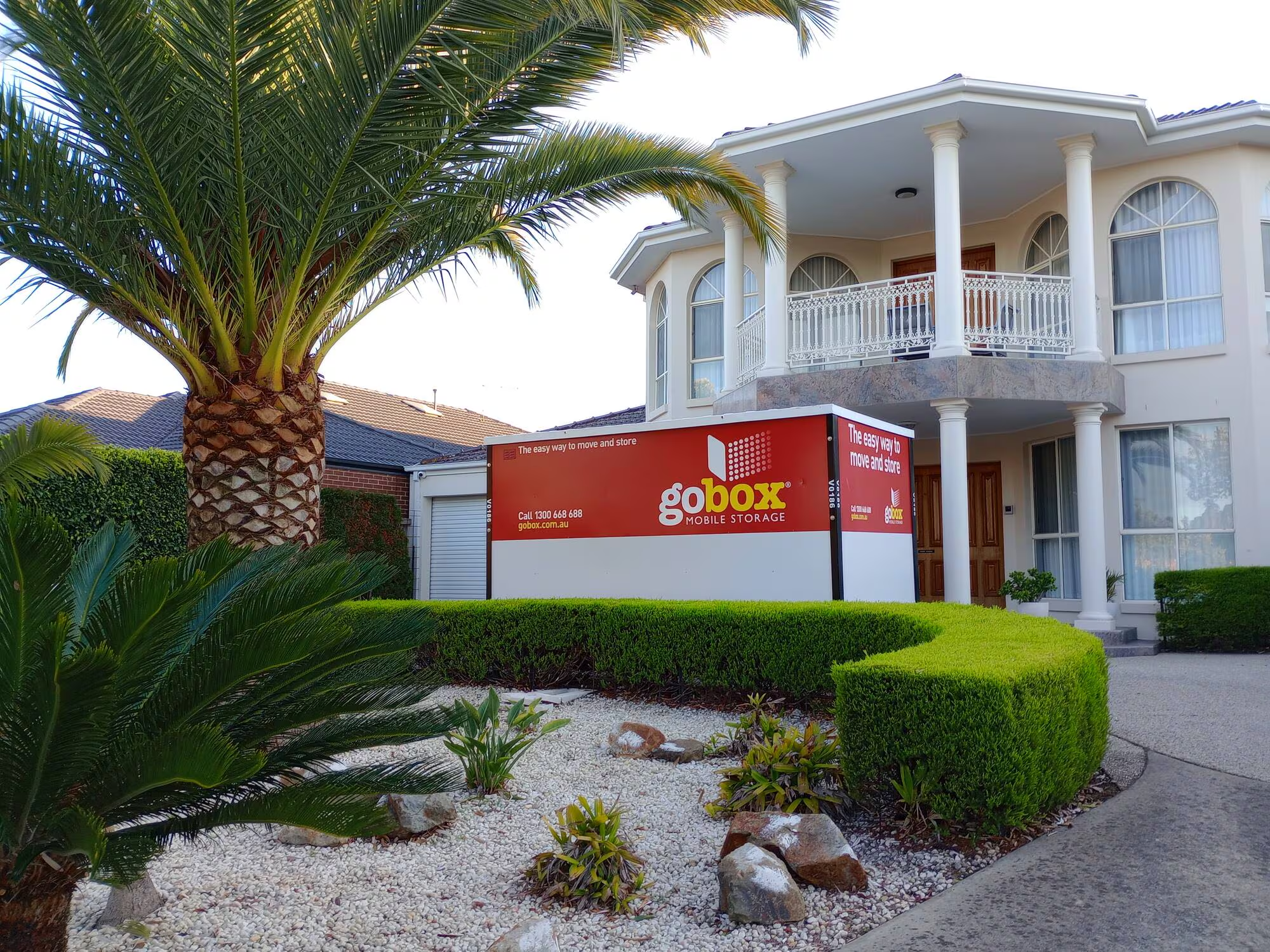
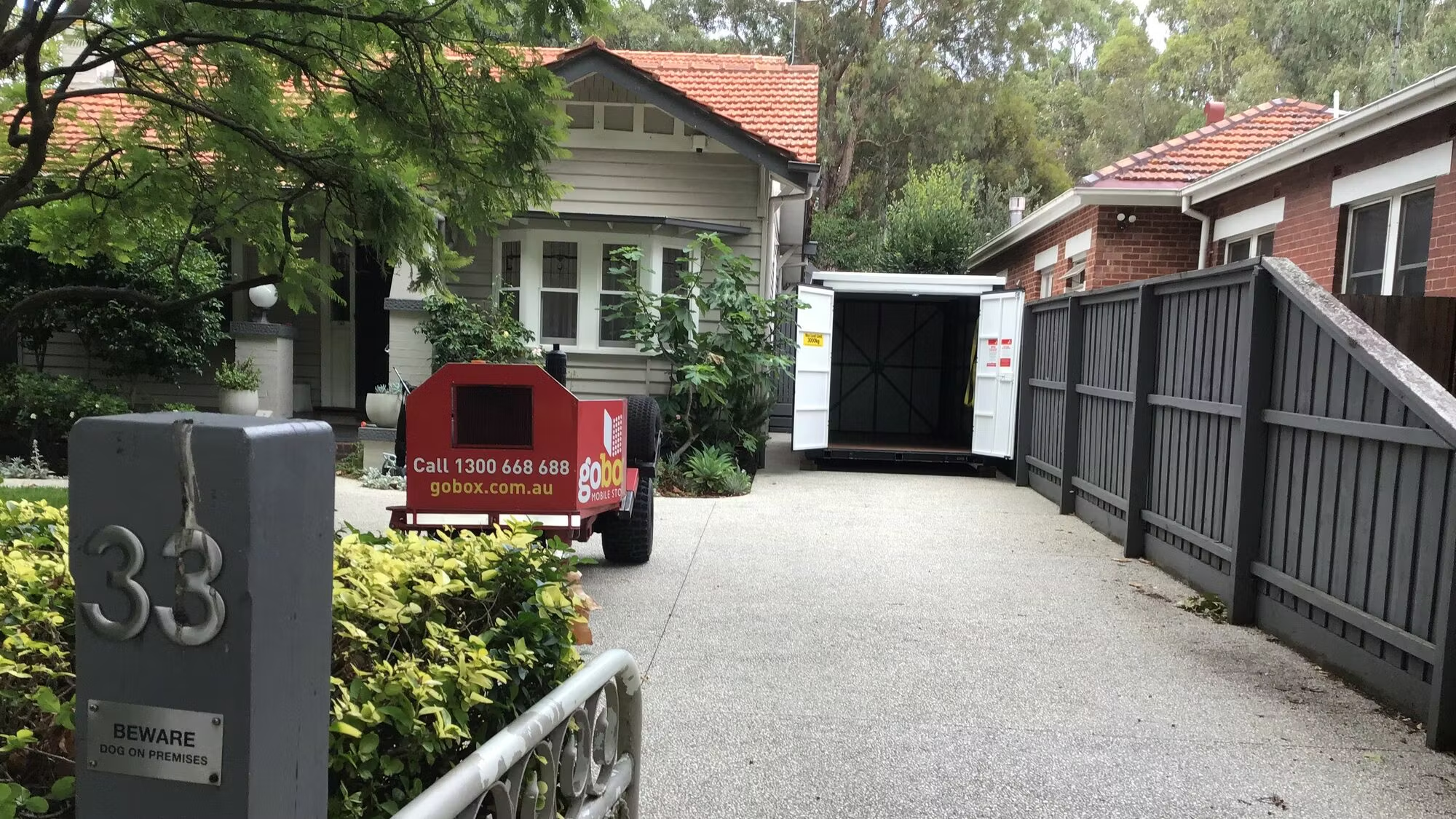
With gobox, we can deliver a storage unit to a suitable ground-level location at your property.
You pack your belongings into the unit, arrange collection and have it transported for warehouse storage.
When you're ready, we can deliver the unit to your next suitable address within the service area.
This can be particularly useful for students who don't own a car or have access to a vehicle large enough to transport furniture.
If you're living in an apartment or student accommodation building, delivery depends on suitable vehicle access and permission to place the unit. Check with your building manager before arranging storage.
8. Prepare for Your Next Move
As your semester break nears its end, start planning how you'll move your belongings into your next home.
Confirm your new address, move-in date and any building access requirements.
If you're moving into an apartment, you may also need to organise lift access or book a loading area.
Give your storage provider enough notice to arrange delivery, especially during busy university moving periods.
Having everything organised before moving day can make the transition back to university much smoother.
Student Storage Around Melbourne Universities
Students across Melbourne face similar challenges when moving between accommodation.
Whether you're studying at the University of Melbourne in Parkville, RMIT in the CBD, Monash in Clayton or Caulfield, Deakin in Burwood, Swinburne in Hawthorn or La Trobe in Bundoora, planning your storage early can make moving easier.
gobox provides mobile storage services across Melbourne, subject to delivery access and service availability.
For students living in share houses, apartments or rental properties, mobile storage can provide an alternative to transporting belongings to a traditional self-storage facility.
Make Your Next Semester Move Easier With gobox
Moving between university accommodation doesn't have to mean hiring a truck, making multiple trips or finding temporary space for your furniture.
By decluttering, packing carefully and choosing storage that suits your plans, you can make moving between