

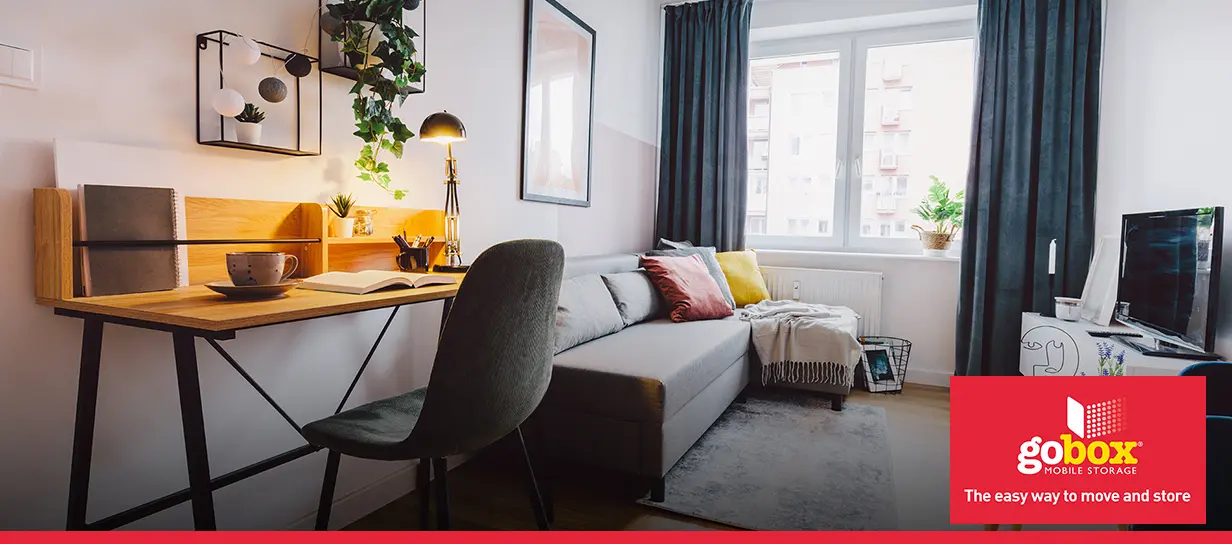
Living in a small apartment doesn't necessarily mean you need to get rid of everything you own.
The real challenge is deciding what actually needs to stay inside your apartment every day and what could be stored elsewhere until you need it.
Furniture, seasonal clothing, sporting equipment, decorations and boxes of belongings can quickly take over cupboards, spare rooms and living areas. Using mobile storage gives you another option: keep the things you want without using valuable apartment space to store them.
Here are some practical ways to create more space in a small apartment.
1. Start With a Proper Declutter
Before looking for more storage, work out what you actually need to store.
Go through your apartment one area at a time:
- Wardrobes
- Kitchen cupboards
- Bathroom storage
- Bedrooms
- Living areas
- Balcony
- Garage or storage cage
Separate your belongings into:
Keep — things you use regularly.
Store — things you want but don't need every day.
Sell — belongings that still have value but you no longer use.
Donate — useful items you don't need.
Dispose — broken or unwanted belongings.
If you've accumulated a lot over time, our guide to Steps to Take When Decluttering with gobox Storage can help you tackle the process room by room.
2. Get Seasonal Items Out of Your Everyday Space
Small apartments rarely have enough storage for four seasons' worth of belongings.
Instead of filling wardrobes and cupboards with things you won't use for months, consider rotating seasonal items in and out of storage.
This might include:
- Winter coats
- Boots
- Summer clothing
- Christmas decorations
- Heaters
- Fans
- Camping equipment
- Ski gear
- Beach equipment
- Seasonal sporting equipment
This allows your apartment storage to be used for the belongings you actually need now.
3. Move Unused Furniture Into Storage
Furniture can consume more apartment space than almost anything else.
You may have a spare dining table, desk, armchair, cabinet or other piece of furniture you want to keep but don't currently need.
Instead of trying to squeeze everything into a small apartment, furniture storage can give you somewhere to keep larger pieces until you need them again.
This can be particularly useful if you're:
- Moving from a house into an apartment
- Combining two households
- Renovating
- Preparing for a future move
- Keeping furniture for children or family
- Not ready to sell sentimental pieces
Removing even one or two large pieces can completely change how spacious an apartment feels.
4. Make Better Use of Vertical Space
When floor space is limited, look upwards.
Tall shelving, wall-mounted storage and vertical organisers can provide useful storage without consuming as much floor area.
Depending on your apartment, you could use:
- Tall bookshelves
- Wall-mounted shelving
- Over-door organisers
- Hooks
- Vertical shoe storage
- Stackable storage containers
The aim isn't to cover every wall with storage.
It's to make better use of otherwise unused space while keeping everyday belongings easy to access.
5. Choose Furniture That Does More Than One Job
Multi-purpose furniture is particularly useful in apartments.
Look for pieces such as:
- Beds with drawers underneath
- Ottomans with internal storage
- Coffee tables with storage
- Benches with compartments
- Extendable dining tables
- Sofa beds
- Desks that fold away
Before buying anything new, think about whether it solves more than one problem.
A storage ottoman, for example, provides seating, storage and somewhere to put your feet without requiring three separate pieces of furniture.
6. Don't Turn the Spare Room Into a Storage Room
If you're lucky enough to have a second bedroom, it's easy for it to gradually become somewhere you put everything that doesn't have another home.
Before long, your spare bedroom is no longer usable.
The same can happen to:
- Home offices
- Studies
- Garages
- Balconies
- Dining areas
If an entire room has effectively become storage, it may be time to move those belongings elsewhere.
Our guide to How a Mobile Storage Unit Solves Space Problems You Didn't Know You Had looks at several areas of the home that commonly become accidental storage spaces.
7. Rotate Sporting & Hobby Equipment
Apartment living doesn't mean giving up hobbies.
But bikes, golf clubs, camping gear, surfboards and other equipment can take up significant space.
Consider which items you use regularly and which are seasonal or occasional.
You may be able to store:
- Camping equipment during winter
- Ski equipment during summer
- Bikes you're not currently using
- Golf equipment
- Fishing gear
- Surfboards
- Hobby equipment
- Bulky exercise equipment
Rotating these items means you can keep them without having them take over your apartment all year.
8. Keep Your Wardrobes for Clothes You Actually Wear
Wardrobes often become storage areas for far more than clothing.
Suitcases, spare bedding, boxes, Christmas decorations and old clothes can gradually consume most of the available space.
Start by removing clothing you no longer wear.
Then move rarely used belongings elsewhere.
Use your wardrobe primarily for the clothes, shoes and accessories you regularly need.
That alone can make everyday apartment living much easier.
9. Use Under-Bed Storage
The space underneath your bed can be valuable storage space.
Depending on your bed frame, you may be able to use it for:
- Shoes
- Spare bedding
- Clothing
- Towels
- Bags
- Small boxes
Purpose-built under-bed containers can keep these belongings organised without adding another cupboard or piece of furniture to the room.
10. Keep Kitchen Benches Clear
Small apartment kitchens can feel particularly cramped when appliances and other items permanently cover the benches.
Think about which appliances you genuinely use every day.
Items such as:
- Large mixers
- Slow cookers
- Serving platters
- Special occasion dinnerware
- Large pots
- Extra glassware
may not need to occupy prime kitchen space year-round.
Store rarely used kitchen items in cupboards, higher shelves or elsewhere so your main work surfaces remain usable.
11. Use Storage When Downsizing Into an Apartment
Moving from a larger house into an apartment can be challenging because you're often trying to fit years of belongings into significantly less space.
You may not immediately know what will work in your new home.
Rather than getting rid of everything before the move, downsizing storage can give you time to make those decisions.
Move the belongings you know you need into the apartment first.
Keep extra furniture, boxes and sentimental belongings in storage while you settle in.
Once you've lived in the apartment for a while, you'll have a much better idea of:
- What fits
- What you actually use
- What you want to keep
- What can be sold or donated
- What should remain in storage
This can take a lot of pressure off the downsizing process.
12. Store Belongings During an Apartment Renovation
Renovating a small apartment can make an already limited space feel even smaller.
Furniture and boxes often need to be moved from one room to another as work progresses, leaving very little usable space.
Renovation storage gives you somewhere to temporarily move furniture and household belongings while work is underway.
This can help create more room for trades to work while reducing the amount of furniture sitting around renovation areas.
Once the work is finished, you can bring belongings back and decide what you actually want in the updated space.
13. Be Selective About What Comes Into Your Apartment
Creating more space isn't only about removing things.
It's also about controlling what comes back in.
Before buying new furniture, decorations or household items, ask:
Where will this live?
If you don't have a clear answer, think twice before bringing it home.
This is particularly important with larger furniture.
Measure your apartment before buying and consider how the piece will affect movement around the room.
What Should You Put Into Storage From a Small Apartment?
The best items to store are usually things you want to keep but don't need regular access to.
That might include:
- Seasonal clothing
- Christmas decorations
- Spare furniture
- Books and collections
- Sporting equipment
- Camping gear
- Family keepsakes
- Artwork
- Extra kitchenware
- Spare bedding
- Outdoor equipment
- Boxes of photographs
- Furniture you're saving for the future
Your apartment should primarily contain the belongings that support your everyday life.
Everything else can be assessed based on how often you actually use it.
Mobile Storage vs Traditional Self Storage for Apartments
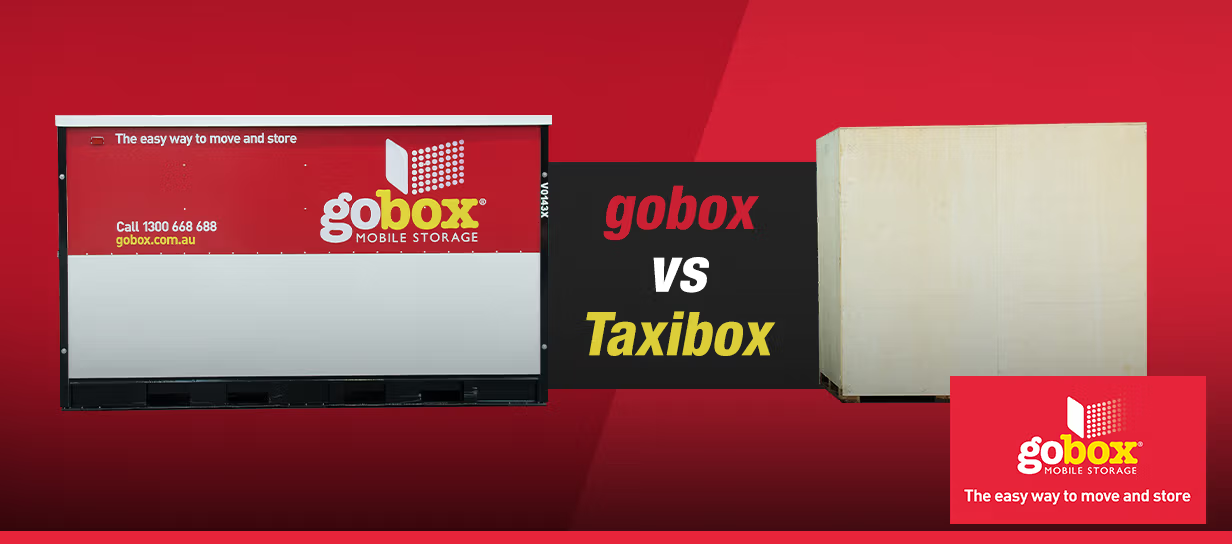
Traditional self storage generally requires you to pack your belongings into a car, ute or truck, drive them to a facility and unload them into a storage unit.
Mobile storage works differently.
Your storage unit is delivered to you, allowing you to load your belongings before the container is collected.
That can be particularly useful when you're removing:
- Furniture
- Multiple boxes
- Sporting equipment
- Bulky household items
You can read our full comparison of Mobile Storage vs Traditional Self Storage if you're deciding which option suits you.
Apartment access can vary considerably, so it's also worth checking delivery and access requirements for your building before arranging a mobile storage unit.
Create More Usable Space Without Moving House
Sometimes the problem isn't that your apartment is too small.
It's that too much of the available space is being used to store belongings you rarely need.
Decluttering, choosing smarter furniture, using vertical space and moving occasional-use belongings into storage can make a surprisingly big difference.
If you're looking for more ideas, read How to Create More Space in Your Home Without Moving.
Create More Room With gobox
You don't necessarily need a bigger home to have more usable space.
By moving seasonal belongings, extra furniture, sporting equipment and other rarely used items out of your everyday living areas, you can make a small apartment feel more organised and functional.
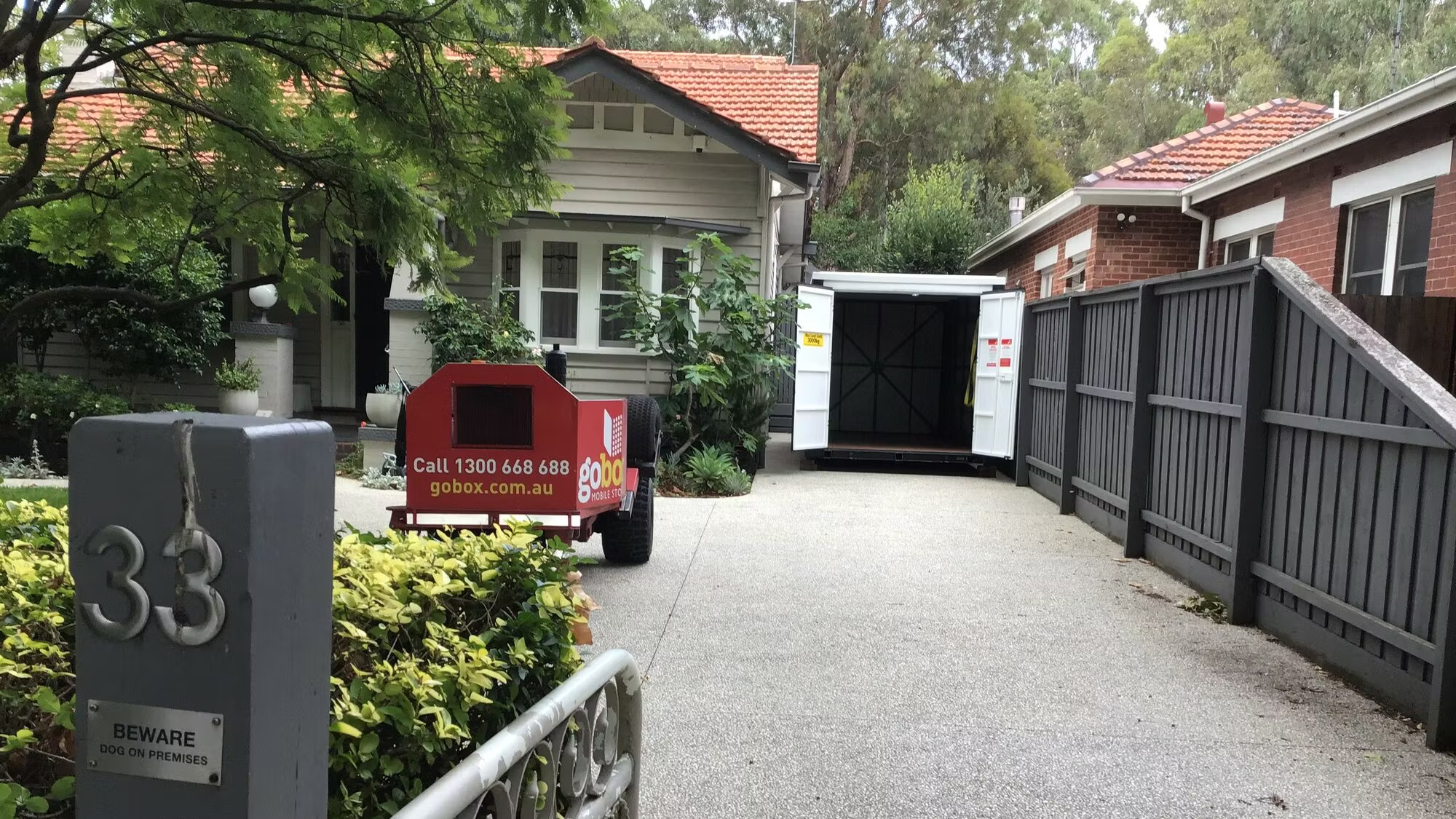
With gobox mobile storage, your storage container comes to you. Load the belongings you want to store, then have your gobox collected until you need them again.
Less clutter. More usable space. And no need to fill every cupboard, spare room and corner of your apartment with things you only use occasionally.