

Downsizing your home can be exciting, but deciding what to do with years of furniture, belongings and memories can make the process feel overwhelming.
Whether you're moving into a smaller home, simplifying your lifestyle, preparing for retirement or simply deciding you don't need as much space anymore, downsizing usually involves more than packing a few boxes.
You need to work out what will fit, what you still use, what you're ready to part with and what you'd rather keep.
The good news is that you don't need to make every decision before moving day. Downsizing storage gives you somewhere to keep furniture and belongings while you sort, move and settle into your new home.
Here's how to make downsizing more manageable.
Why Do People Downsize Their Homes?
There are plenty of reasons to move to a smaller home.
You might be:
- Preparing for retirement
- Moving after your children have left home
- Looking for a lower-maintenance property
- Moving from a house to an apartment or townhouse
- Reducing household expenses
- Relocating closer to family
- Simplifying your lifestyle
- Moving somewhere better suited to your current needs
Whatever the reason, downsizing usually comes with the same challenge: your new home may not have room for everything in your current one.
Starting early gives you more time to decide what genuinely deserves a place in your next home.
1. Start Decluttering Before You Move
Don't wait until moving week to start sorting through your belongings.
Start with areas you use least often, such as the garage, spare bedrooms, cupboards, and storage areas.
A simple approach is to divide belongings into four categories:
Keep — belongings that are definitely coming with you.
Sell — furniture and other items that still have value but won't be needed.
Donate — usable belongings you no longer want.
Store — things you want to keep but aren't sure you'll have room for.
The storage category is especially useful because downsizing doesn't have to mean getting rid of everything that won't fit right away.
If you're trying to clear rooms before putting your property on the market or before moving day, decluttering storage can give you somewhere to keep belongings while you work through the house.
2. Measure Your New Home Before Deciding What to Keep
One of the easiest downsizing mistakes is assuming your existing furniture will work in the new property.
Before moving, get measurements or a floorplan of your new home and compare them with your existing furniture.
Consider:
- Room dimensions
- Doorway widths
- Built-in storage
- Wardrobe space
- Garage or shed space
- Kitchen storage
- Outdoor areas
- Where larger furniture will actually sit
A dining table that works perfectly in your current home might dominate the new dining area. Likewise, a large lounge suite may leave very little usable space in a smaller living room.
Knowing what will physically fit makes the next stage of downsizing much easier.
3. Decide What Furniture Is Coming With You
Furniture is often one of the hardest parts of downsizing.
Beds, dining tables, couches, cabinets, outdoor settings and spare-room furniture take up significant space, but they can also be expensive or sentimental.
Start with the furniture you definitely need in your new home.
Then consider each remaining piece individually.
Ask yourself:
- Will it physically fit?
- Do I have a useful place for it?
- Do I still use it?
- Would replacing it later be expensive?
- Does it have sentimental value?
- Am I keeping it for a family member?
- Am I actually ready to sell or donate it?
If you're unsure, you don't necessarily need to decide immediately.
Furniture storage can give you somewhere to keep larger pieces while you settle into your new home and work out what you genuinely have room for.
That can be much easier than making rushed decisions simply because moving day is approaching.
4. Be Selective With Duplicates
Larger homes make it easy to accumulate duplicates.
You may have multiple sets of:
- Crockery
- Glassware
- Towels
- Bedding
- Kitchen appliances
- Outdoor furniture
- Tools
- TVs
- Lamps
- Books
- Decorative items
A smaller home probably won't have the cupboard, garage or spare-room space to store everything.
Think about what you actually use, not how much storage space you've previously had available.
If you haven't used something for several years, downsizing can be a good opportunity to reconsider whether it needs to come with you.
5. Don't Rush Decisions About Sentimental Belongings
Not everything should be judged purely by how frequently you use it.
Photographs, children's belongings, inherited furniture, family keepsakes and other sentimental items can be difficult to sort through.
Trying to make those decisions while you're also organising a house move can add unnecessary pressure.
Instead, separate sentimental belongings from ordinary household clutter.
Keep the things you immediately know matter to you. For everything else, consider whether storing it temporarily would give you more time to decide.
That's one of the biggest advantages of using storage when downsizing: you don't need to make a permanent decision about every belonging before you move.
6. Think About What You'll Actually Need in Your New Lifestyle
Downsizing isn't only about moving into fewer square metres.
Often, it's connected with a lifestyle change.
If you're moving from a large family home to a townhouse, apartment or smaller property, think about how you'll actually use your new home.
For example, you may no longer need furniture for multiple living areas or several spare bedrooms.
On the other hand, you might still want camping equipment, bikes, gardening equipment, Christmas decorations or furniture for visiting family.
The goal isn't necessarily to own as little as possible.
It's to make sure the things occupying your new home are the things you actually want and use.
7. Use Storage to Make Downsizing Less Stressful
Storage can be particularly useful during downsizing because it gives you flexibility between keeping everything and getting rid of everything.
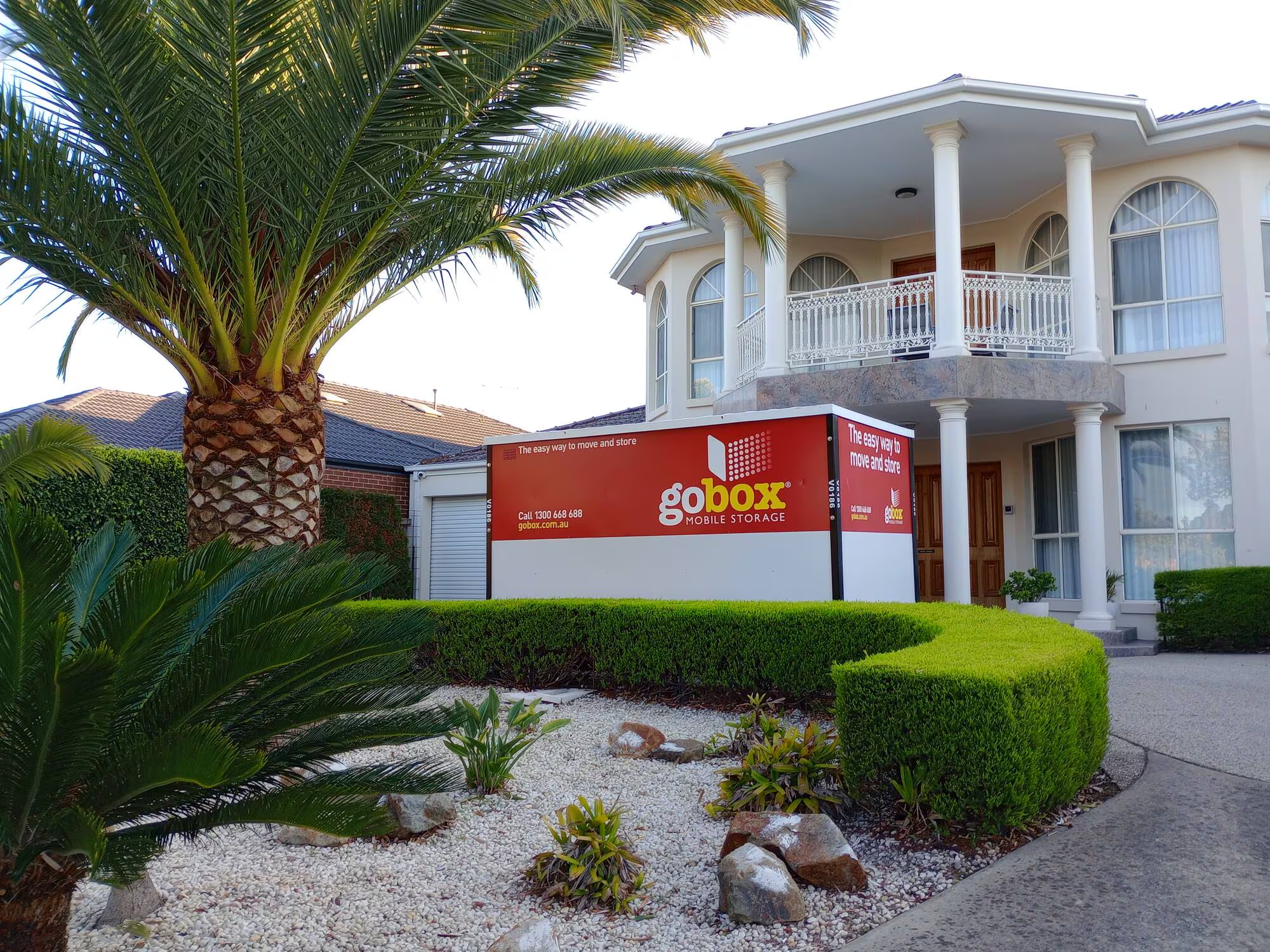
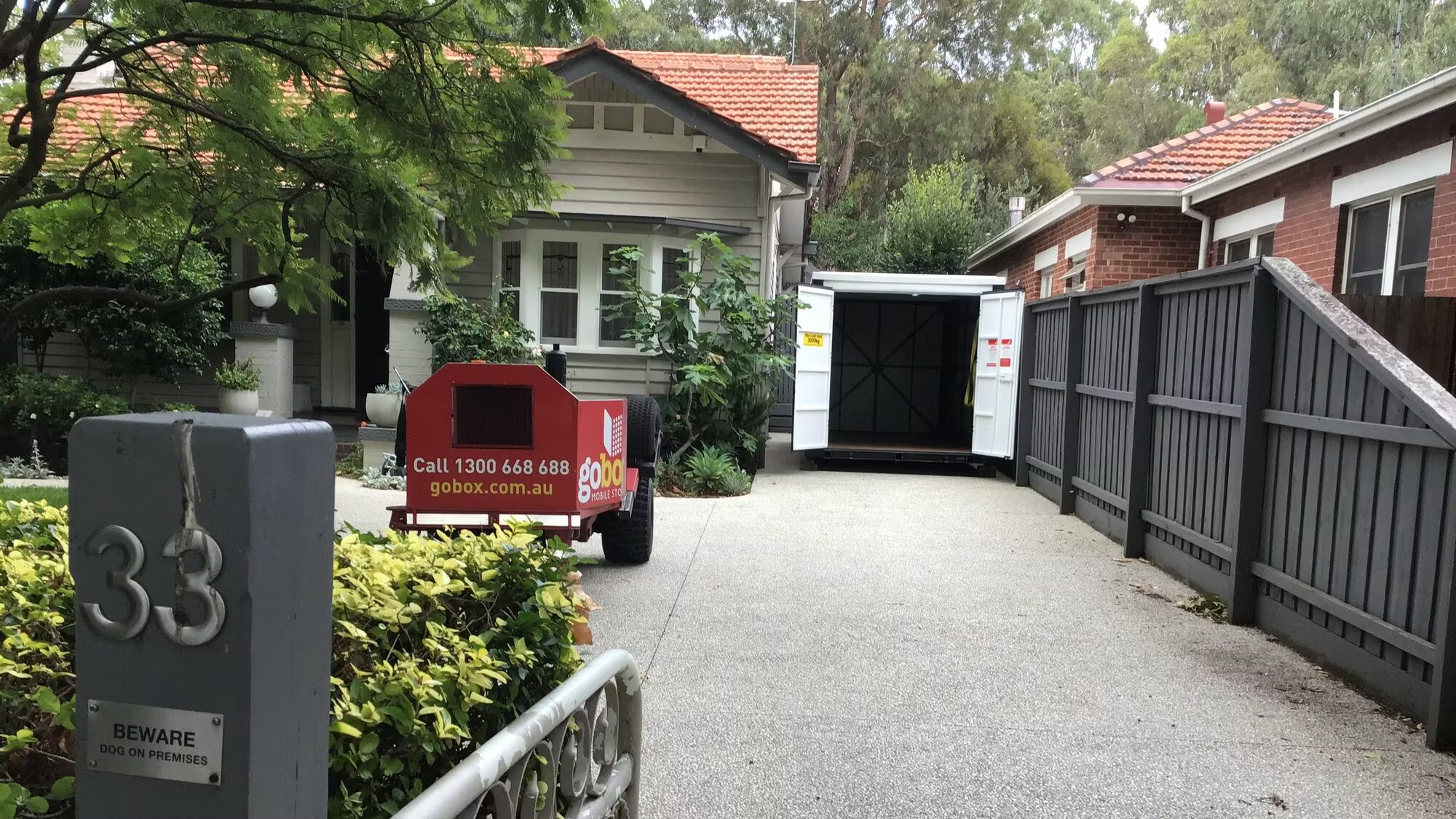
With gobox downsizing storage, a storage container can be delivered to your property so you can gradually load the belongings you're not taking straight into your new home.
This might include:
- Excess furniture
- Sentimental belongings
- Boxes of photographs
- Seasonal items
- Spare bedroom furniture
- Books
- Artwork
- Outdoor furniture
- Sporting equipment
- Family belongings
- Items you're keeping for children or grandchildren
Depending on your requirements, your loaded gobox can remain onsite where suitable or be collected for storage.
When you're ready for your belongings again, you can return your gobox.
This gives you time to settle into your smaller home before deciding what should stay in storage, what can fit into the new property and what you're eventually ready to sell, donate or give away.
8. What If You're Between Your Old and New Home?
Downsizing doesn't always involve moving directly from one property into another.
You might sell your existing home before buying the next one, experience a settlement gap, stay temporarily with family or move into short-term accommodation.
That creates another problem: where does all the furniture go?
Moving house storage can help bridge the gap.
Instead of moving your belongings into temporary accommodation or unloading everything into another storage location, you can pack your gobox at your existing property and arrange storage until your next home is ready.
Our guide to temporary storage while moving house explains how storage can help when moving and settlement dates don't line up.
9. Prepare Your Current Home for Sale
Downsizing often starts before the move itself.
If you're selling your existing property, removing excess furniture and personal belongings can make rooms easier to prepare for photography and inspections.
Rather than moving everything into the garage, you can use decluttering storage to clear belongings you intend to keep.
This can be particularly useful for:
- Spare furniture
- Packed boxes
- Children's belongings
- Collections
- Books
- Seasonal items
- Excess decorative items
- Garage contents
The added benefit is that you've already started packing before moving day arrives.
10. How Does Mobile Storage Work When Downsizing?
Traditional storage often means loading your belongings into a vehicle, driving them to a storage facility and unloading them again.
Mobile storage changes where you pack.
With gobox, the process is straightforward:
We deliver → You pack → Store @ Yours or Store @ Ours → We return it when needed.
We Deliver
We deliver your gobox to your property, subject to suitable access.
You Pack
Load the belongings you want to store directly into the container.
Because the container is at your property, you can organise and pack your belongings without making repeated trips to a storage facility.
Store @ Yours or Store @ Ours
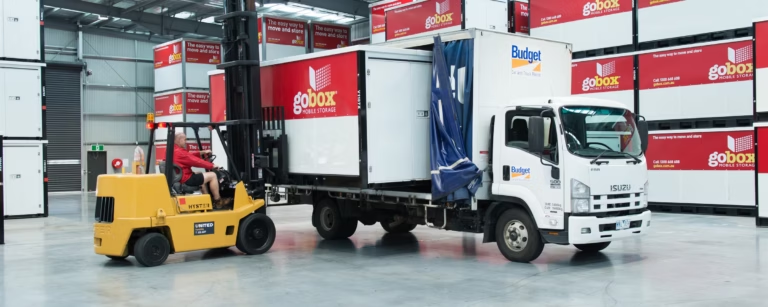
Depending on your situation, your gobox can remain onsite where suitable or be collected for offsite storage.
We Return It
When you're ready for your belongings, arrange to have your gobox returned.
This can reduce double handling during a downsizing move because your belongings remain packed in the same container while they're stored.
11. What Should You Put Into Storage When Downsizing?
Storage is most useful for belongings you're not ready to get rid of but don't immediately need in the new home.
Good candidates may include:
- Furniture you're unsure will fit
- Family keepsakes
- Seasonal belongings
- Spare bedroom furniture
- Books and collections
- Outdoor furniture
- Sporting equipment
- Items you're saving for family
- Belongings you want to sort later
Your everyday essentials should generally move directly with you.
If you're unsure how to divide everything up, our guide to what to store during a move can help you decide what goes into storage and what you'll want to keep accessible.
12. What Size Storage Container Do You Need When Downsizing?
The right amount of storage depends on how much of your current home you're taking with you.
Someone storing a few pieces of furniture and boxes will have very different requirements from someone storing several rooms of belongings.
Start by listing your largest items.
Consider:
- Couches
- Beds and mattresses
- Dining tables
- Cabinets
- Drawers
- Outdoor furniture
- Appliances
- Number of moving boxes
You can then compare the available gobox storage container sizes to find an option suitable for what you're storing.
Packing efficiently can also make a considerable difference to how much you can fit inside.
13. How Much Does Downsizing Storage Cost?
The cost of storage while downsizing depends on your individual requirements.
Factors can include:
- Container size
- How long you need storage
- Your location
- Transport requirements
- Whether your gobox is stored onsite or offsite at our warehouse
Consider the overall moving process, not just a weekly or monthly storage figure.
If you use traditional storage, you'll need to hire a vehicle and move your furniture in and out of a storage facility, which can add to the overall cost and effort of your move.
See our mobile storage costs for current information about gobox pricing and options.
Downsizing Your Home Checklist
Before moving to your smaller home:
- Get a floorplan or measurements of the new property
- Measure your largest furniture
- Start decluttering early
- Sort belongings into keep, sell, donate and store
- Decide which furniture will fit
- Reduce unnecessary duplicates
- Separate sentimental belongings
- Sell or donate items you definitely don't need
- Arrange storage for belongings you're unsure about
- Pack seasonal and rarely used belongings first
- Keep important documents and essentials accessible
- Confirm your moving and settlement dates
- Arrange temporary storage if there's a gap between properties
- Label stored boxes clearly
- Reassess stored belongings once you've settled into your new home
You don't need to complete the entire process in a weekend. Starting early and working through one room at a time can make downsizing considerably easier.
Frequently Asked Questions About Downsizing Your Home
When should I start downsizing before moving?
The earlier you start, the easier the process generally becomes. Starting several weeks or months before your move gives you time to sort through belongings without having to make every decision under pressure.
What should I get rid of when downsizing?
Start with things you no longer use, unnecessary duplicates and belongings that don't suit your new home. You can sell, donate, or give items in good condition to family rather than throw them away.
What should I do with furniture that won't fit in my new home?
You can sell, donate, give away or store furniture depending on whether you want to keep it. Furniture storage can be useful when you're unsure what will fit or aren't ready to permanently part with particular pieces.
Should I use storage when downsizing?
Storage can help if you want more time to decide what to keep, need space for excess furniture, or have a gap between leaving your current property and moving into the next one.
Can I store my belongings between selling and buying a home?
Yes. If there's a gap between properties, moving house storage can give you somewhere to keep your belongings until your new home is ready.
How long can I store belongings while downsizing?
This depends on your circumstances. You may only need temporary storage during the move, or you may want to keep certain furniture and belongings stored longer while you settle into your new home.
Make Downsizing Your Home Easier With gobox
Downsizing should be about creating a home that better suits the next stage of your life — not making rushed decisions about everything you own.
Starting early, measuring your new home and sorting belongings into keep, sell, donate, and store can make the process much easier.
And if you're not ready to decide what happens to everything right away, our downsizing storage gives you extra time and space.
We'll deliver the storage container to your property so you can pack your belongings where they already are. You can then store your gobox until you're ready to have it returned.
Downsize the home, not necessarily everything you want to keep.