

A Smarter Way to Manage Your Move in Melbourne & Adelaide
Moving house is an exciting milestone, but it's rarely as straightforward as packing boxes and driving to a new address. Delays, changing timelines and unexpected circumstances can quickly turn a carefully planned move into a stressful experience.
Whether you're waiting for settlement, downsizing, renovating or relocating interstate, temporary storage can provide the flexibility you need to keep your move on track.
While traditional self storage has long been one option, mobile storage can simplify the process by bringing the storage container directly to your property. You can pack at your own pace, have the container collected when you're ready and arrange delivery once your new home is available.
If you're new to the process, our guide to how moving house with a storage container works explains what happens from delivery through to packing, collection and redelivery.
Why Temporary Storage Is Often Needed When Moving House
Even the most carefully planned move can experience unexpected delays or changing circumstances.
Temporary storage gives you somewhere to keep your furniture, boxes and household belongings without having to rush decisions simply because moving day has arrived.
Settlement Dates Don't Always Align
One of the most common moving challenges occurs when settlement dates don't match.
You may need to vacate your current property before your new home is ready, leaving you with several days or weeks with nowhere permanent to put your belongings.
Temporary storage bridges that gap.
Instead of moving everything into a storage facility and then loading it again when your new property becomes available, mobile storage lets you pack your belongings directly into the container that will store them.
Once your new home is ready, the container can be delivered to the new property for unloading.
This can significantly reduce double handling during the move.
Downsizing to a Smaller Home
Moving into a smaller property creates a different problem: you may have more belongings than your new home can comfortably accommodate.
Trying to decide what to keep, sell, donate or give to family while you're also managing a move can put unnecessary pressure on the process.
Temporary storage gives you more time.
Furniture and belongings you're unsure about can remain in storage while you settle into the new property and work out what actually fits.
If downsizing is part of your move, it can also help to start decluttering before moving day. Our guide to the steps to take when decluttering provides a simple way to start sorting through what you own.
Waiting for Renovations to Finish
Sometimes you've purchased the new house, but you're not ready to move everything into it.
Painting, flooring, kitchen renovations, bathroom renovations or larger building works can make moving furniture into the property immediately impractical.
Storing furniture and household items temporarily keeps them away from dust, trades and active work areas until the house is ready.
If you're completing substantial work before moving in, read our complete guide to storage during a renovation for more information about managing furniture and belongings while renovating.
Decluttering Before Selling Your Home
Temporary storage can also be useful before you've even sold your current property.
Preparing a home for sale often involves removing excess furniture, personal belongings and general clutter to make rooms feel larger and easier for potential buyers to imagine themselves living in.
But decluttering doesn't mean you have to get rid of everything permanently.
Furniture, boxes, collections, children's belongings and other household items can be placed into temporary storage while your property is photographed, inspected and marketed.
If your main goal is simply to create more room, our guide to creating more space in your home without moving covers some situations where temporary storage can help reclaim usable space.
Interstate Relocations
Long-distance moves can involve even more moving parts.
Transport schedules, property settlement dates, work commitments and temporary accommodation can all affect when you're able to move into your permanent home.
Mobile storage can provide a buffer between leaving one property and arriving at another.
Rather than coordinating every stage of the relocation around a single moving day, you can keep your belongings packed in their container until you're ready for them.
Gaps Between Rental Properties
Renters can experience exactly the same problem.
Your existing lease might end before your next property becomes available, particularly if you're moving into temporary accommodation or staying with family between properties.
Temporary storage means you don't need to take all of your furniture and household belongings with you during the gap.
You can pack your belongings, store them, and arrange delivery once you've secured or moved into the new property.
Traditional Self Storage vs Mobile Storage When Moving
Traditional self storage can solve the immediate problem of needing somewhere to put your belongings, but it can also create additional work.
A typical self-storage move might involve:
- Packing everything at home
- Hiring or borrowing a truck
- Loading your furniture and boxes
- Driving to the storage facility
- Unloading into the storage unit
- Returning later with another truck
- Loading everything again
- Driving to your new home
- Unloading again
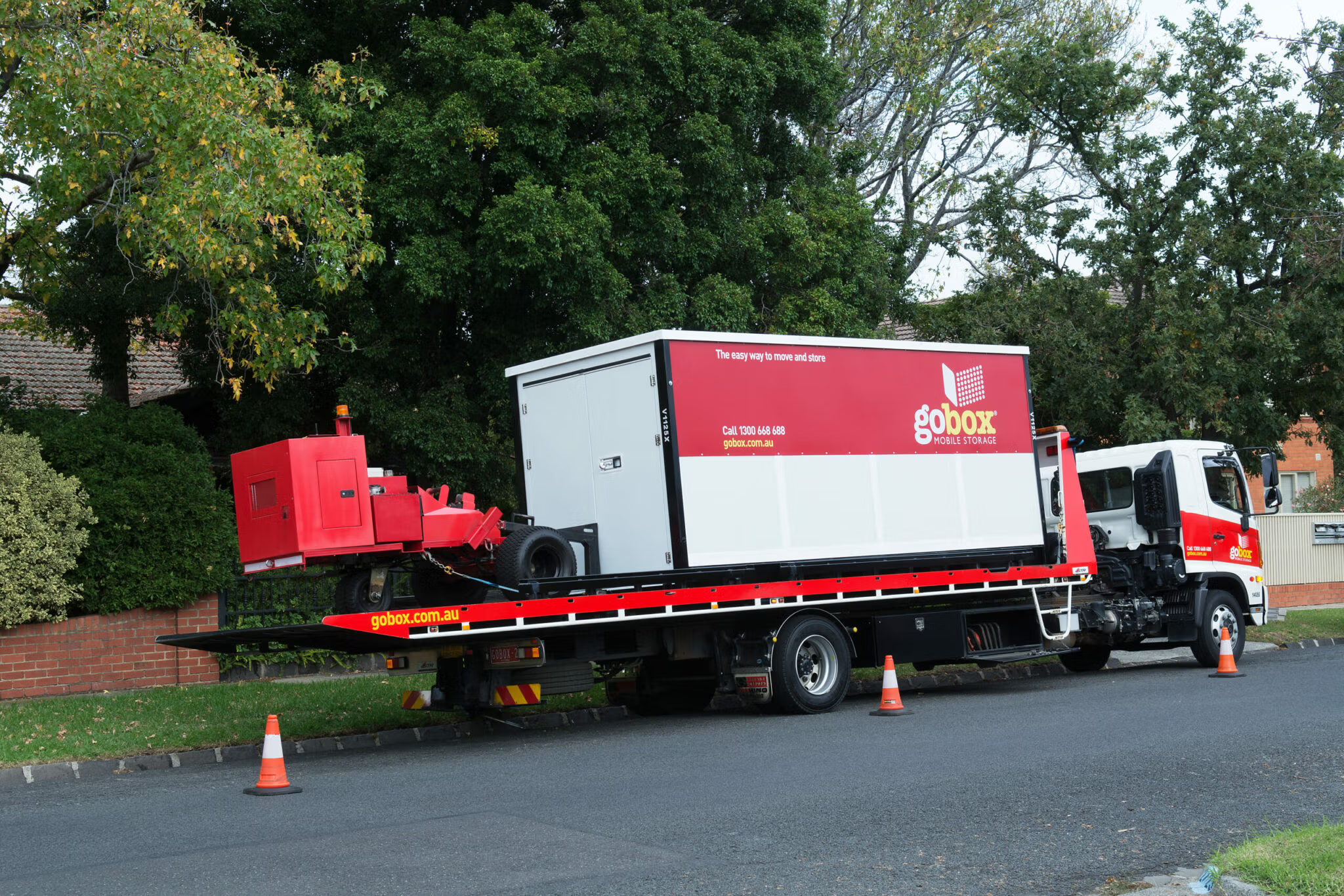
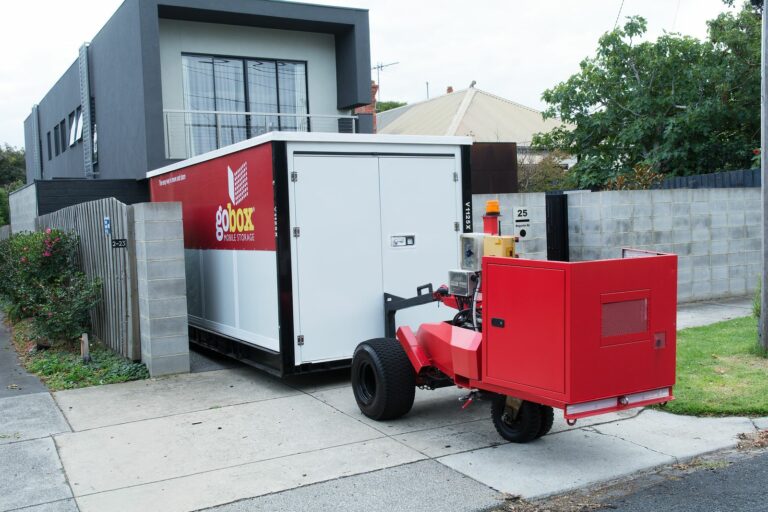
With mobile storage, the container comes to you.
You pack your belongings directly into the container, which can then be collected and stored until you're ready.
When your new property is available, the same container can be delivered there.
If you're comparing the two approaches, read our guide to mobile storage vs traditional self storage for a closer look at the differences.
How Does Mobile Storage Work When Moving House?
The process is straightforward.
1. Your Storage Container Is Delivered
Your gobox is delivered directly to your current property.
This means you don't need to organise a separate trip to a storage facility before you can start packing.
2. Pack at Your Own Pace
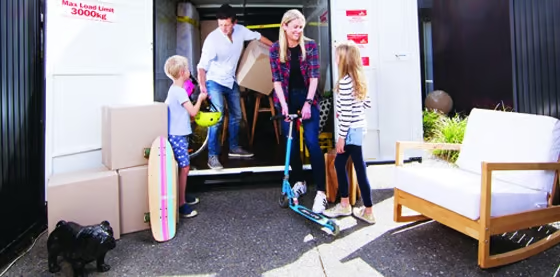
You can progressively pack furniture, boxes and belongings rather than trying to move everything in one day.
Starting early can be particularly useful if you're preparing your home for sale or trying to make moving week more manageable.
3. Keep It Onsite or Have It Collected
Once packed, you can keep the container at your property where suitable or arrange for gobox to collect it.
If there's a gap between homes, you can store the container offsite until you're ready.
4. Have It Delivered to Your New Home
When the new property is available, your container can be delivered so you can unload your belongings.
You aren't transferring everything from one storage unit into another vehicle before finally getting it home.
For a more detailed walkthrough, see how moving house with a storage container works.
Benefits of Mobile Storage During a Move
Mobile storage can solve several common moving problems at once.
Less Double Handling
One of the biggest advantages is reducing how many times you need to move your belongings.
Furniture can go from:
Your home → storage container → your new home
rather than:
Your home → truck → storage unit → truck → new home.
Reducing unnecessary handling can make the entire move easier.
Pack Gradually
Not everything needs to be packed the night before you move.
You can pack items you don't regularly use earlier, helping clear rooms and reduce the work required closer to moving day.
More Flexibility Around Settlement
If settlement dates change, your belongings already have somewhere to stay.
This can take some of the pressure off coordinating storage, removalists and property access around a single date.
Useful for Uncertain Timelines
You might expect to need storage for two weeks and end up needing it for six.
Temporary mobile storage provides flexibility when your moving timeline changes.
Mobile Storage vs Removalists vs Hiring a Truck
Storage isn't the only decision you'll need to make when moving.
You also need to decide how much of the move you want to manage yourself.
Some people prefer full-service removalists, while others hire a truck and complete the entire move themselves.
Mobile storage sits somewhere between these options because the container is delivered to you and can then be transported once you've packed it.
If you're still deciding how to approach your move, we've compared moving pods vs removalists vs truck hire in more detail.
The right option depends on your budget, timeline, how much you're moving, and how much packing and lifting you want to handle yourself.
When Should You Book Temporary Storage?
Booking storage before moving week can make the process much easier.
Consider arranging temporary storage if you're:
- Preparing your home for sale
- Decluttering before property photography
- Approaching settlement with uncertain dates
- Waiting for your new property to become available
- Renovating before moving in
- Downsizing into a smaller home
- Moving interstate
- Expecting a gap between rental properties
- Staying in temporary accommodation between homes
The earlier you organise storage, the sooner you can start packing belongings you don't need every day.
What Should You Put Into Storage First?
If you're packing progressively, start with things you can comfortably live without until after the move.
That could include:
- Seasonal clothing
- Books
- Decorative items
- Spare furniture
- Artwork
- Sporting equipment
- Garage items
- Extra kitchenware
- Linen
- Children's items that aren't currently being used
- Outdoor furniture
- Boxes already packed for the move
Leave everyday essentials until closer to moving day.
It's also worth thinking about how you pack the container. Items you may need before everything else should generally remain more accessible rather than being buried behind large furniture.
What If You're Comparing Portable Storage Companies?
Mobile storage providers don't all offer identical container sizes, construction or delivery systems.
If you're comparing gobox with other portable storage options, look beyond the advertised monthly price of a single container.
Consider how much space you actually need, how many containers will be required and the total cost of storing that volume.
We've looked at this in more detail in our guide for people comparing gobox with a wooden storage box.
Why Choose gobox for Temporary Storage?
gobox makes temporary storage simple by bringing the storage container directly to your property.
You can pack progressively, keep the container onsite where appropriate or arrange for it to be collected and stored offsite.
When you're ready to move into the new property, your container can be delivered again for unloading.
This can be particularly useful when your moving timeline isn't perfectly predictable.
Whether the gap between homes is a few days, several weeks or longer, your belongings can remain together while you organise the next stage of your move.
Temporary Storage in Melbourne & Adelaide
gobox provides mobile storage across Melbourne and Adelaide for people moving house, renovating, decluttering, downsizing and dealing with gaps between properties.
If you're still researching the broader storage options available, our Complete Guide to Storage in Melbourne explains the different types of storage and situations where each may be useful.
Make Your Move Easier With Temporary Mobile Storage
Moving house doesn't always go according to plan.
Settlement dates change. Renovations run longer than expected. Rental properties aren't always available exactly when you need them. And sometimes you simply need more time to work out where everything is going.
Temporary mobile storage gives you that flexibility.
Instead of rushing to coordinate your entire move around one day, you can have a storage container delivered, pack at your own pace and keep your belongings stored until you're ready for the next step.
And if you're only beginning to plan your move, start with our guide to how moving house with a storage container works to see how the complete process fits together.
Frequently Asked Questions About Temporary Storage While Moving
Can I use temporary storage between settlement dates?
Yes. This is one of the most common reasons people use temporary storage when moving. Your belongings can be packed and stored after leaving your current property, then delivered once your new home is available.
How long can I use temporary storage for?
The time required varies depending on your move. You might need storage for several days, a few weeks or longer if you're waiting for settlement, renovations or another property.
Is mobile storage useful when downsizing?
Yes. Temporary storage gives you somewhere to keep furniture and belongings while you settle into your smaller home and decide what you ultimately want to keep.
Can I use storage while renovating my new home?
Yes. Keeping furniture and boxes out of active renovation areas can help create more working space and keep belongings away from dust and building work. See our guide to storage during a renovation for more information.
Is mobile storage different from traditional self storage?
Yes. With traditional self storage, you generally transport your belongings to and from a storage facility yourself. With mobile storage, the storage container is delivered to your property and can be collected once you've packed it.
Should I use mobile storage or removalists?
It depends on how you want to manage your move. Removalists can provide a more hands-off service, while mobile storage gives you more time to pack and combines storage with transport. Our moving pods vs removalists vs truck hire comparison explains the differences.
What if I'm still comparing mobile storage companies?
Compare container capacity, total storage required, delivery options, construction and overall cost rather than looking only at the advertised price of one unit. You can also read our gobox vs wooden-box comparison for another comparison.