

Decluttering your home can feel overwhelming, especially when you’ve accumulated years of furniture, clothing, kids’ items, sentimental belongings and everything in between.
The easiest way to tackle it is one space at a time. Rather than trying to clear your entire home in a weekend, focus on making steady progress and deciding what genuinely deserves to take up space in your home.
Whether you’re preparing to move, downsizing or simply want to reclaim some space around your home, here are some practical steps to make decluttering easier.
1. Start With One Room at a Time
Trying to declutter your entire home at once can quickly become overwhelming.
Instead, choose one room or area and finish it before moving onto the next. Starting with a smaller or less sentimental area can also help you build momentum before tackling rooms with more belongings.
You might start with:
- A spare bedroom
- The garage
- Kitchen cupboards
- Wardrobes
- A home office
- The shed
- A linen cupboard
- A storage room
Work through one cupboard, shelf or section at a time rather than pulling everything out at once.
Starting small makes it easier to see progress, keeps the job manageable and gives you a clear sense of achievement as each area is completed.
2. Sort Your Belongings Into Categories
As you work through each room, separate your belongings into simple categories:
Keep — things you regularly use and want to remain in the home.
Sell — items you no longer need but could have value to someone else.
Donate — belongings that are still useful but you no longer need.
Discard — broken, damaged or unusable items.
Store — things you want to keep but don’t need taking up space in your home right now.
Having a dedicated store category can make decluttering much easier. It removes the pressure to choose between keeping something in the house or getting rid of it completely.
This can work particularly well for sentimental belongings, spare furniture, children's items you want to keep, seasonal equipment and things you know you'll use again in the future.
If creating more usable room is your main goal, our guide to How to Create More Space in Your Home Without Moving has more practical ideas.
3. Be Realistic About What You Actually Use
One of the hardest parts of decluttering is deciding what should stay.
It’s easy to keep things because you might need them one day. Over time, however, these items can fill wardrobes, cupboards, spare rooms and garages.
For anything you're unsure about, ask yourself:
- When did I last use this?
- Will I realistically use it again?
- Does it have sentimental value?
- Would I buy this again today?
- Do I have another item that does the same job?
- Does it need to stay in the house?
- Could someone else make better use of it?
You don't need to become a minimalist or throw away belongings that matter to you.
Some things are absolutely worth keeping but simply don't need to take up valuable space every day.
That’s where decluttering storage can help. Furniture, boxes and other belongings can be moved out of everyday living areas while remaining available when you need them again.
4. Don't Forget the Garage
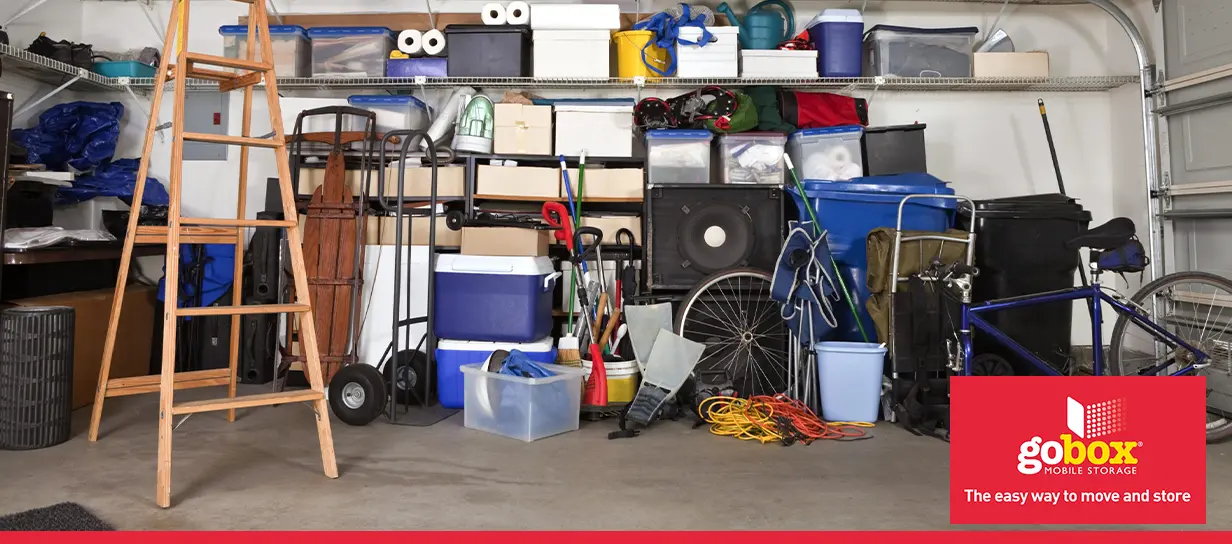
Garages can quickly become storage areas for everything that doesn't have a place inside the house.
Tools, sporting equipment, boxes, furniture, bikes and seasonal items can gradually build up until there's barely any usable space left — and sometimes no room for the car.
Treat your garage like any other room.
Start by grouping similar items together. Put tools with tools, sporting equipment together, gardening supplies in one area and boxes into clear categories.
Then decide what you genuinely need to keep in the garage.
Items you use regularly should remain accessible. Things used only occasionally don't necessarily need to occupy prime storage space throughout the year.
Larger or rarely used belongings can be moved elsewhere, freeing up room for the things you actually use.
For more ideas, read How a Mobile Storage Unit Solves Space Problems You Didn't Know You Had.
5. Move Seasonal Items Out of Everyday Spaces
Some belongings are only used for a few weeks or months each year.
These might include:
- Christmas decorations
- Camping equipment
- Winter clothing
- Outdoor furniture
- Seasonal sporting equipment
- Holiday gear
- Suitcases
- Extra bedding
- Fans or heaters
Instead of allowing these items to fill cupboards, garages and spare rooms all year, consider moving them into storage until they're needed again.
Before storing seasonal items, clearly label boxes and group similar belongings together. This makes it much easier to find what you need when the season changes.
Rotating these items in and out of your home can create a surprising amount of extra everyday storage space.
6. Decide What Furniture You Really Need
Furniture takes up more room than almost anything else in your home.
You may have spare beds, old dining chairs, cabinets, desks or other furniture that you want to keep but don't currently use.
Walk through each room and consider whether every piece of furniture still serves a purpose.
Sometimes removing just one large piece can completely change how spacious and functional a room feels.
You might have furniture you're keeping for children, a future home, visiting family or because it has sentimental value. In these cases, getting rid of it may not be the right decision.
If you're not ready to sell or donate these items, furniture storage can help you reclaim the space without permanently getting rid of them.
This can be particularly useful if you're reorganising your home, preparing for renovations, converting a spare room or making room for a growing family.
7. Use Mobile Storage to Make Decluttering Easier
One of the biggest challenges with decluttering is deciding what to do with belongings you want to keep.
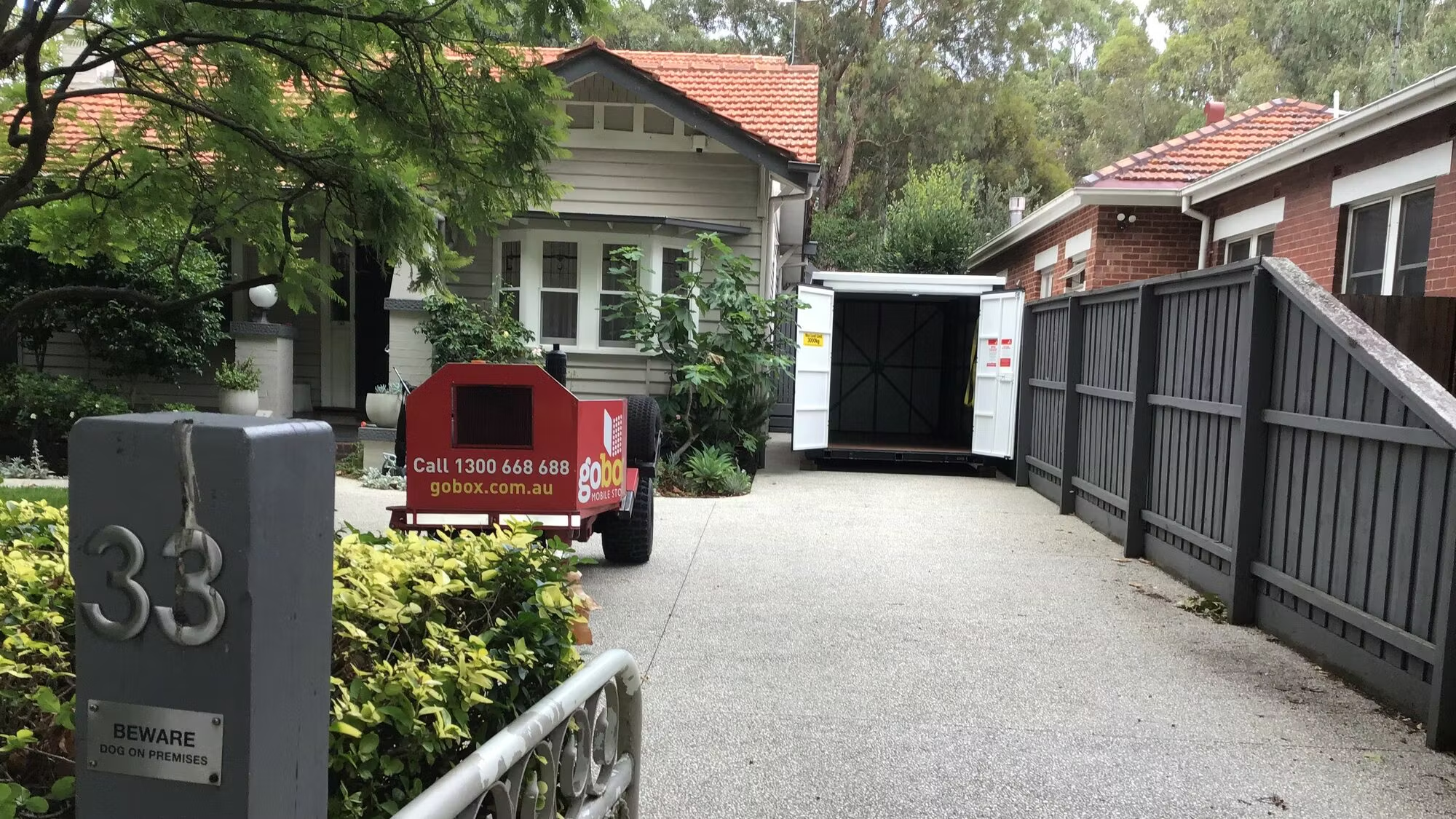
With mobile storage, the storage container is delivered directly to your property.
Instead of trying to declutter everything before a trip to a storage facility, you can gradually load furniture, boxes and other belongings as you work through the house.
For example, you could start with the garage one weekend, tackle the spare bedroom the next and then move onto wardrobes and other areas.
Once you're finished, your gobox can stay onsite or be collected and stored offsite.
That means you don't need to load everything into a trailer or truck, drive to a traditional storage facility and unload it again.
If you're weighing up the two options, see our guide to Mobile Storage vs Traditional Self Storage.
8. Declutter Before Moving House
Moving house is one of the best times to declutter.
There's little point packing, moving and unpacking belongings you already know you don't want.
Go through each room before you start packing and decide what should actually come with you.
Pay particular attention to areas that tend to accumulate forgotten belongings, such as:
- Garages
- Sheds
- Spare rooms
- Linen cupboards
- Kitchen cupboards
- Wardrobes
- Under-bed storage
The less unnecessary stuff you take with you, the easier it will be to pack and organise your new home.
This can mean fewer boxes, less furniture to move and a much more organised start in your new space.
If you're preparing for a move, our How to Pack for Moving House guide can help with the next stage.
9. Declutter Before Downsizing
Decluttering becomes even more important when you're moving into a smaller home.
You may simply not have enough room for all your existing furniture and belongings.
Start early rather than trying to make every decision immediately before moving day.
If possible, look at the size and layout of your new home and think about which pieces of furniture will realistically fit.
Prioritise the things you use regularly and the belongings that matter most to you.
For anything you're uncertain about, temporary storage gives you more time to decide. You can move into the new home, see how the space works and then decide what you want to bring back.
For belongings you want to keep while deciding what will fit into the new home, downsizing storage can give you some extra flexibility.
10. Don't Try to Finish Everything in One Day
Decluttering doesn't need to happen all at once.
In fact, trying to make hundreds of decisions in one day can make the whole process harder.
Give yourself time to work through your belongings properly.
Start with the easiest decisions first. Broken items, duplicates and things you know you no longer want can usually be dealt with quickly.
Leave sentimental items until later if necessary.
You might set yourself a simple target, such as:
- One cupboard each evening
- One room each weekend
- One box of belongings each day
- 30 minutes of decluttering at a time
Even clearing one cupboard, room or section of the garage at a time can gradually make your home feel much more organised.
What Should You Put Into Storage When Decluttering?
Not everything you remove from your home needs to be sold, donated or thrown away.
Storage is particularly useful for belongings you still value but don't need regular access to, including:
- Spare furniture
- Seasonal decorations
- Camping equipment
- Sporting equipment
- Children's furniture
- Baby items you plan to reuse
- Books
- Collectables
- Sentimental belongings
- Extra kitchenware
- Outdoor furniture
- Boxes of personal belongings
The aim is to remove things that are taking up useful everyday space without getting rid of belongings you genuinely want to keep.
Make Decluttering Easier With gobox
Decluttering isn't necessarily about getting rid of everything.
It's about deciding what deserves to take up space in your home right now.
For furniture, seasonal belongings and other items you want to keep but don't need every day, gobox gives you somewhere else to put them.
Your storage container is delivered directly to your property, allowing you to load it at your own pace as you work through different areas of your home.
Once you're finished, you can keep your gobox onsite or have it collected and stored offsite until you need your belongings again.
That means more room in your home without having to make rushed decisions about belongings you still want to keep.