


How to Pack for Moving House: The Short Answer
Wondering how to pack for moving house without the chaos? Start 3-4 weeks before moving day, declutter first, pack room by room starting with the things you rarely use, keep heavy items in small boxes, wrap fragiles well, label every box by room, and set aside a first-night essentials box. The full checklist below walks you through every step.
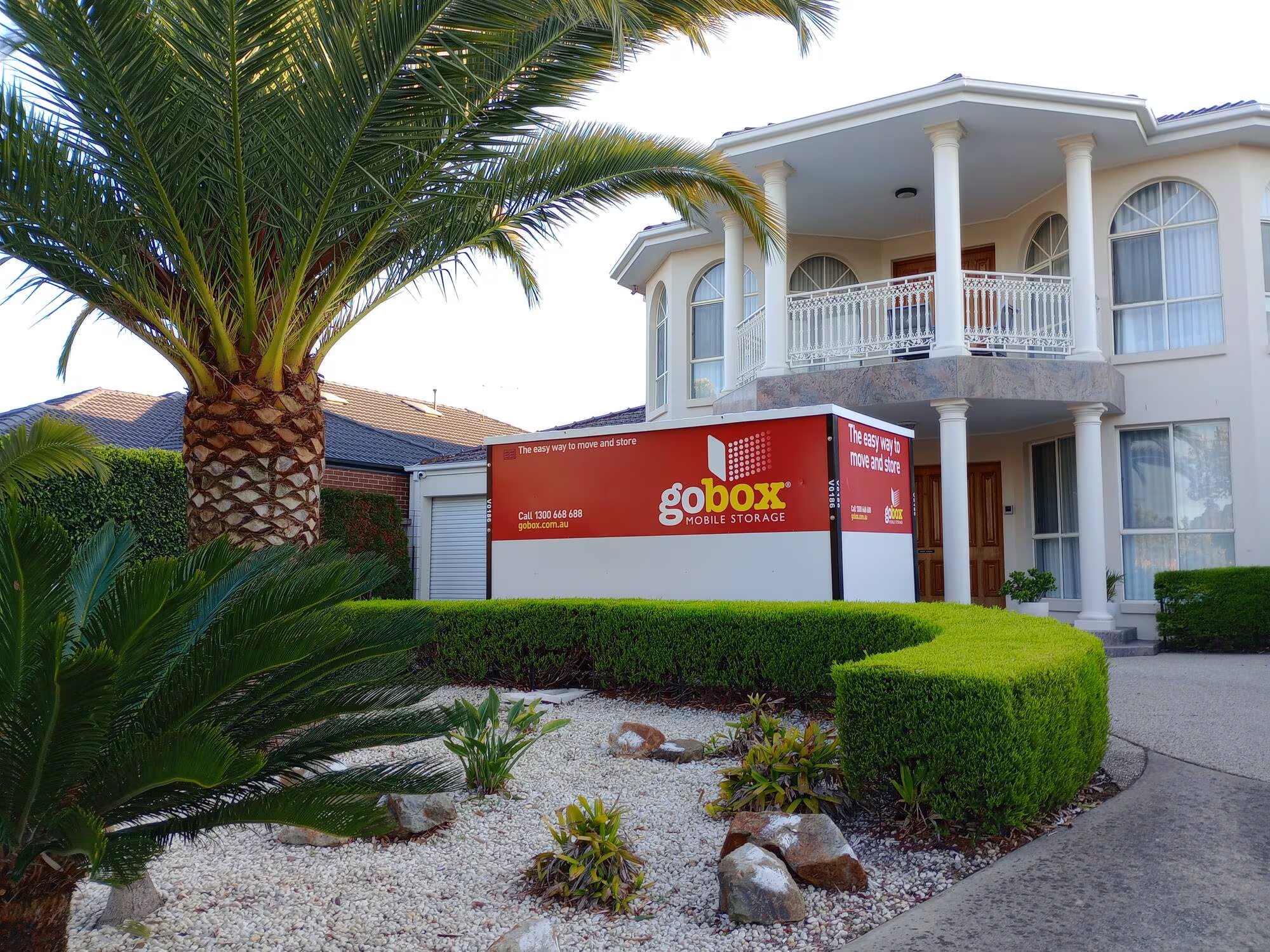
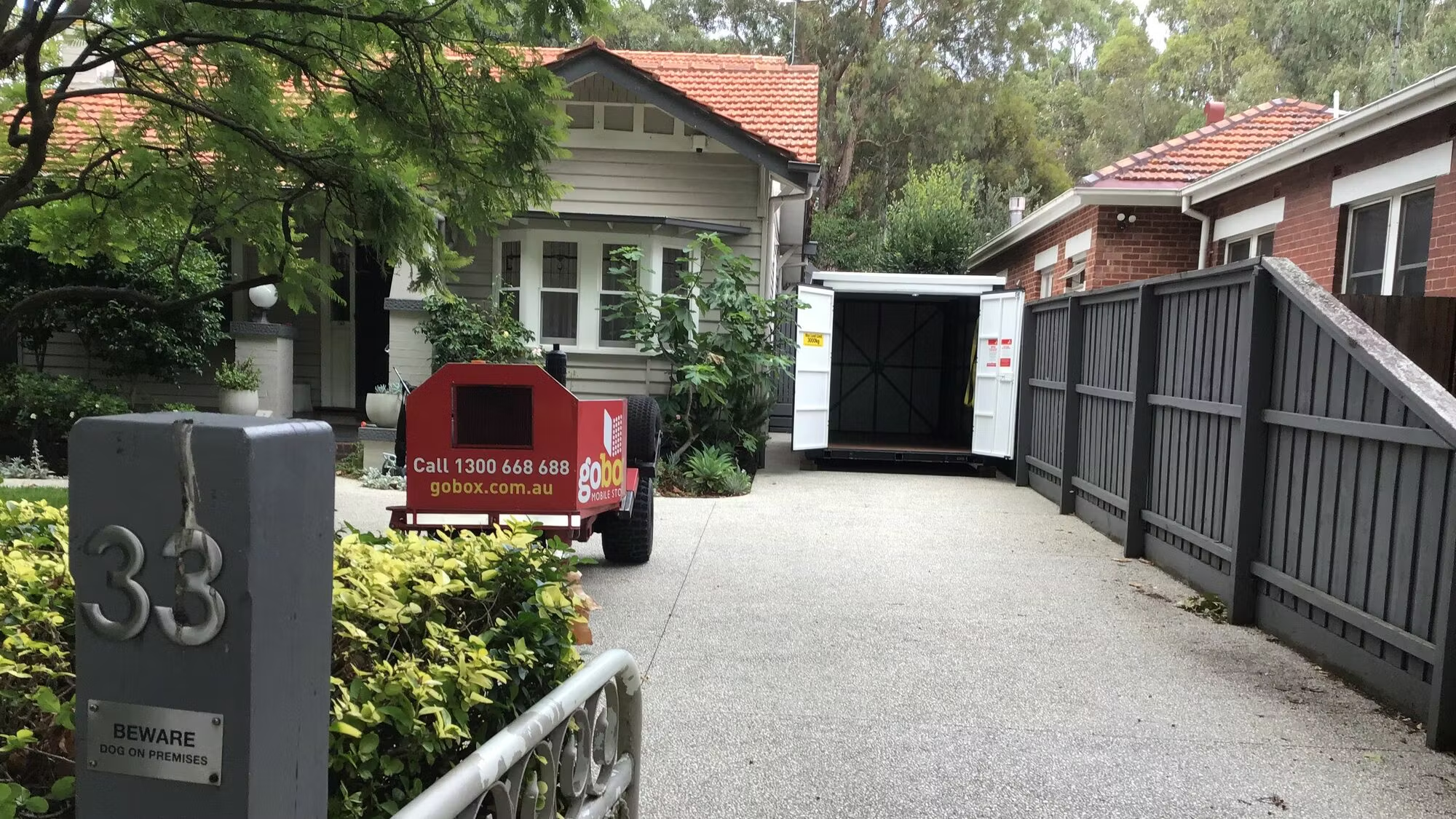
One more stress-saver: packing is far easier when you are not racing a removalist truck. A gobox mobile storage unit sits in your driveway so you can pack at your own pace over days or weeks - get an instant quote.
Relocating a home can be a delightful experience, but it may become stressful unless properly planned. Therefore, the foundation of a successful move is careful prior planning and efficient organisation. This gobox Mobile Storage guide provides professional packing tips for moving goods to keep you on schedule and relieve your stress, whether it is a local or interstate move. Let's find ways to make your move as easy and seamless as possible!
Pre-Packing Preparation
Understanding Your Moving Timeline
Start early by setting up a moving timeline. Break your tasks into weekly goals to avoid a last-minute scramble. For instance, begin decluttering four weeks before the move, pack non-essentials two weeks out, and finalise everything a few days before moving day.
Start early by setting up a moving timeline. If you're looking for hassle-free storage, consider Mobile Storage Melbourne to make your move easier.
Gathering Packing Supplies
Gather all the packing materials you’ll need:
- Sturdy boxes of various sizes
- Packing tape and scissors
- Permanent markers for labelling
- Bubble wrap and packing paper for fragile items
You can often find free boxes at local shops or buy eco-friendly options online.
Make sure you have sturdy boxes for packing. Consider checking the available storage container size options to ensure you choose the right size for your needs.
Decluttering Before Packing
One of the best home-moving packing tips is to declutter before you start packing. Sort items into three categories: keep, donate, and discard. Letting go of unnecessary items lightens your load and saves time and money.
Before packing, take some time to declutter your home. You can use contact-free mobile storage services to store your unwanted items temporarily while you sort through everything.
Room-by-Room Packing Tips
Packing Strategies for Each Room
Tackle one room at a time, starting with spaces you use less frequently, like guest rooms or storage areas. Use separate boxes for each room and label them clearly with their destination in your new home.
Pack one room at a time to stay organised. For more tips on handling your move smoothly, you can check out our GoBox FAQ for helpful information.
Handling Fragile Items
Protect fragile items like glassware, plates, and electronics by wrapping them individually in bubble wrap or soft cloth. Use towels or blankets for extra cushioning inside boxes. Clearly label these boxes as "FRAGILE" to ensure careful handling.
Packing Clothes and Personal Items
For clothes, use wardrobe boxes to keep garments on hangers or pack them in vacuum-sealed bags to save space. Don’t forget to set aside a suitcase with essentials like toiletries, outfits, and medications for the first few days after your move.
Labelling and Inventory
The Importance of Labelling Boxes
Labelling is a simple but effective moving house packing tip. Write the room name and a brief description of the contents on each box. Colour-coded labels or stickers can make the unpacking process even easier.
Creating an Inventory List
Keep track of your belongings by creating an inventory list. Use a notebook or moving apps to document what’s in each box. This will be especially helpful if anything goes missing during the move.
Packing Special Items
Packing Valuables and Documents
Pack important documents, jewellery, and cash separately in a secure, waterproof bag that stays with you during the move. These items should never go on the moving truck.
Furniture and Large Items
Disassemble furniture wherever possible to make it easier to transport. Keep screws and small parts in labelled zip-lock bags taped to the furniture pieces they belong to. Wrap large items in blankets or plastic wrap to protect them from scratches or damage.
Moving Day Essentials
Essentials Box Checklist
Prepare an "essentials box" with items you’ll need immediately upon arrival at your new home. Include:
- Toiletries
- Snacks and water bottles
- Chargers and basic tools
- A change of clothes for each family member
This box should be easy to access and travel with you.
Managing Pets and Kids During the Move
If you’re moving with kids or pets, make arrangements to keep them comfortable and stress-free. Pack a bag with toys, snacks, and familiar items. Consider arranging a sitter or setting up a quiet room at both ends of the move.
Post-Move Unpacking and Organisation
Unpacking with a Plan
Don’t rush to unpack everything in one day. Focus on setting up essential spaces like the kitchen and bedrooms first. Tackle one room at a time to stay organised.
Setting Up Your New Space
Arrange furniture and belongings thoughtfully as you unpack. Use this opportunity to create a functional layout in your new home. Adding personal touches, like family photos or decor, can make the space feel cosy and welcoming.
Conclusion
Relocating doesn’t have to be a daunting experience. Following these moving packing tips and staying organised can minimise stress and enjoy a seamless transition to your new home. With some planning and these best packing tips for moving house, you’ll be unpacked and settled quickly. For more information, contact us.
Frequently Asked Questions
What is the best way to organise packing for a move?
Declutter first, pack room by room and label boxes clearly to stay organised.
How do I pack fragile items to avoid damage?
Wrap each item in bubble wrap or soft cloth and use plenty of padding inside the box.
What should I do with items I no longer need before a move?
Donate or sell items in good condition and responsibly dispose of the rest.
What’s an essentials box, and why is it important?
An essentials box contains items you’ll need right after the move, such as toiletries and snacks.
How early should I start packing for my move?
Start packing non-essentials four weeks before your move and daily-use items closer to moving day.