

When you're moving house, one of the hardest things to estimate is how much storage space you'll actually need.
Choose too little, and you could run out of room halfway through packing. Choose too much, and you may end up paying for space you don't use.
While the number of bedrooms in your home is a useful starting point, the right storage container size also depends on how much furniture you own, how many boxes you're moving, whether you have garage or outdoor items, and how efficiently you can pack everything.
Here’s how to work out what size storage container you may need for your move.
How Much Storage Space Do I Need When Moving?
Every household is different, but your home size can provide a rough starting point.
| Home Size | What You May Need to Store |
|---|---|
| 1-bedroom apartment | Bed, couch, small dining setting, appliances and boxes |
| 2-bedroom home | Multiple beds, living and dining furniture, appliances and boxes |
| 3-bedroom home | Full household furniture, appliances, outdoor items and boxes |
| 4+ bedroom home | Larger household contents that may require multiple storage containers |
These are only general estimates.
A minimally furnished three-bedroom home could require less storage than a two-bedroom property packed with furniture, sporting equipment and garage contents.
The best way to estimate your storage needs is to look at what you're actually moving.
What Takes Up the Most Space in a Storage Container?
Large furniture and appliances will usually determine how much storage space you need.
Before booking your container, make a list of larger items such as:
- Couches and armchairs
- Beds and mattresses
- Dining tables and chairs
- Fridges and freezers
- Washing machines and dryers
- Desks and office furniture
- Bookshelves and cabinets
- Outdoor furniture
- BBQs
- Bicycles
- Garage equipment
- Moving boxes
Bulky or unusually shaped furniture can also take up more room than expected because it's hard to stack efficiently.
Creating a quick household inventory before you start packing can make choosing your storage option much easier.
Storage Container for a 1-Bedroom Apartment
A one-bedroom apartment or unit will generally have fewer large furniture items than a family home.
You may need space for a bed and mattress, couch, television, small dining setting, appliances and moving boxes.
However, don't forget about belongings stored in balconies, storage cages, wardrobes or home-office areas.
If you're moving from an apartment, decluttering before packing can significantly reduce the storage space you need.
Storage Container for a 2-Bedroom Home
Moving a two-bedroom home usually means storing several larger pieces of furniture in addition to your boxes.
This could include:
- Two beds and mattresses
- Bedroom furniture
- Couch and entertainment unit
- Dining table and chairs
- Fridge
- Washing machine
- Outdoor furniture
- Household boxes
If you also have a garage, shed or substantial outdoor area, your storage requirements could be considerably higher.
Storage Container for a 3-Bedroom House
A three-bedroom family home can contain a surprising amount of furniture.
Along with beds, mattresses and bedroom furniture, you may need to store couches, dining furniture, appliances, children's belongings, outdoor furniture and dozens of moving boxes.
Garage contents can add even more.
Depending on how much you own, a larger household move may require more than one storage container.
Using multiple containers can also make staged moves easier. For example, you could pack non-essential belongings first while keeping everyday furniture accessible until closer to moving day.
Storage Containers for a 4-Bedroom House or Larger
For four-bedroom and larger homes, bedroom count becomes less useful as a storage estimate.
These properties may also include multiple living areas, home offices, garages, sheds and outdoor entertaining spaces.
Rather than trying to squeeze everything into one container, using multiple storage containers may provide more flexibility.
You can also separate your belongings based on when you'll need them again. Keep items you need immediately at your new property separate from furniture and boxes that can stay in storage longer.
Don't Forget the Garage, Shed and Backyard
One of the easiest mistakes when estimating storage is thinking only about what's inside the house.
Garages and sheds can contain a significant amount of additional belongings, including:
- Lawn mowers
- Gardening equipment
- Tools
- Bicycles
- Camping equipment
- Sporting equipment
- Outdoor furniture
- BBQs
- Storage shelving
- Children's outdoor toys
Before deciding how much storage you need, walk through every part of your property and include these items in your estimate.
Declutter Before Choosing Your Storage Container
Moving house is a good opportunity to decide what you actually want to take with you.
There's little point paying to move and store furniture or belongings you're planning to get rid of later.
Before packing, divide unwanted belongings into four groups:
Keep | Sell | Donate | Dispose
Pay particular attention to garages, spare rooms, wardrobes and storage cupboards. These areas often contain belongings you haven't used in years.
Decluttering first can reduce the number of boxes you need to pack and potentially reduce the amount of storage space required.
How to Fit More Into Your Storage Container
How you pack your container can make a significant difference to how much fits inside.
Where practical, dismantle furniture such as bed frames, tables and shelving. Use sturdy, consistently sized boxes that can be stacked safely and take advantage of suitable empty spaces within furniture.
Start with heavier, sturdier belongings and put lighter items higher up.
Also protect furniture and fragile belongings appropriately, and avoid packing items in a way that could cause them to move or get damaged.
The aim isn't simply to fit as much as possible into the container — it's to use the available space efficiently while keeping your belongings protected.
Should I Get a Bigger Storage Container Just in Case?
A bit of extra room can help, especially if you're still packing and aren't sure how much you'll need to store.
Running out of space halfway through loading can make moving day much more stressful.
However, that doesn't mean you automatically need the largest storage option available.
Before booking, create a rough inventory of your furniture, appliances, outdoor belongings and expected number of boxes.
If you're still unsure, talk to the gobox team about what you plan to store so they can help you choose a suitable storage solution.
Why Portable Storage Can Make Moving House Easier
Traditional moving can involve packing, loading, transporting and unloading everything within a relatively short timeframe.
Portable storage gives you more flexibility.
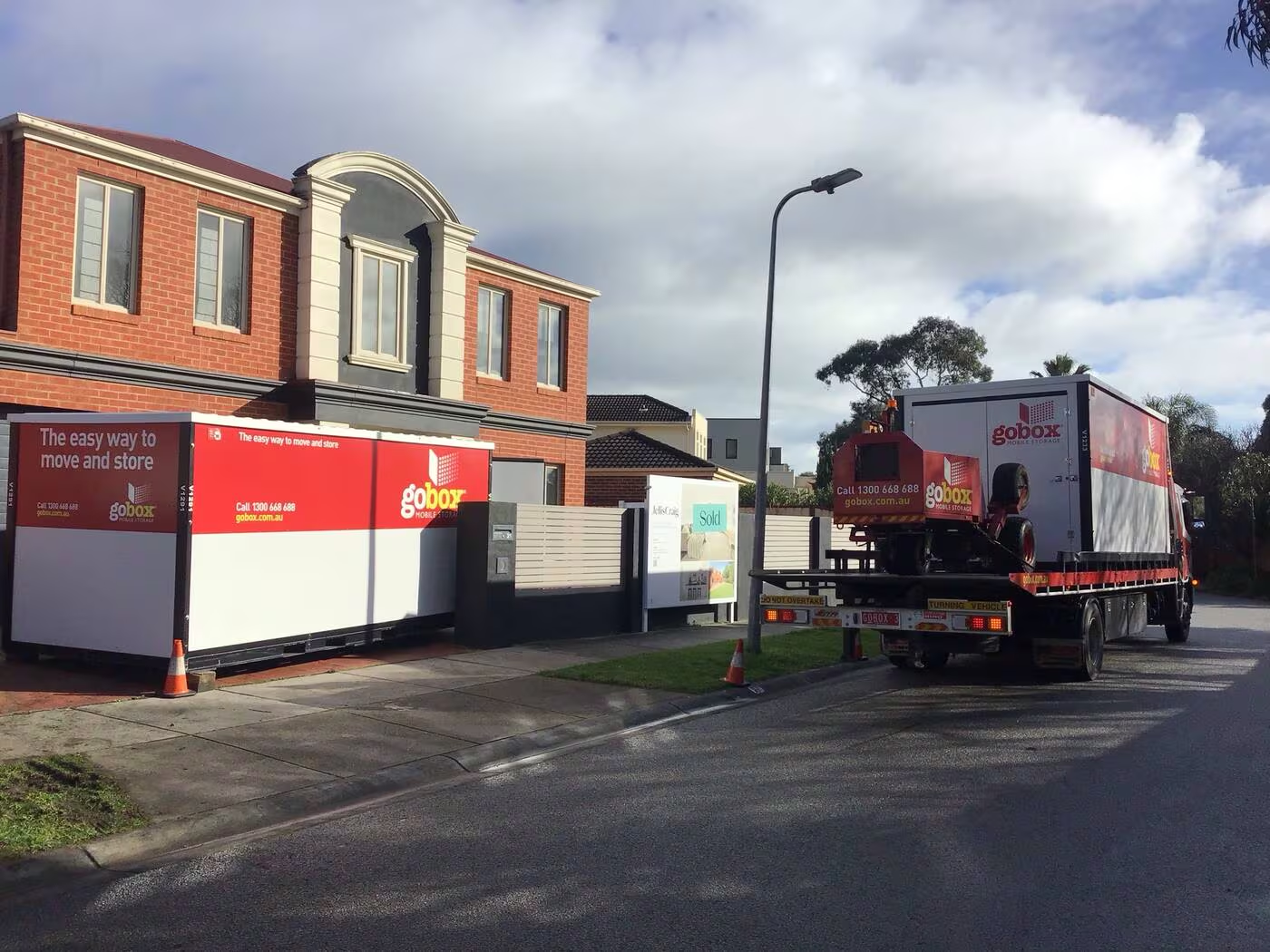
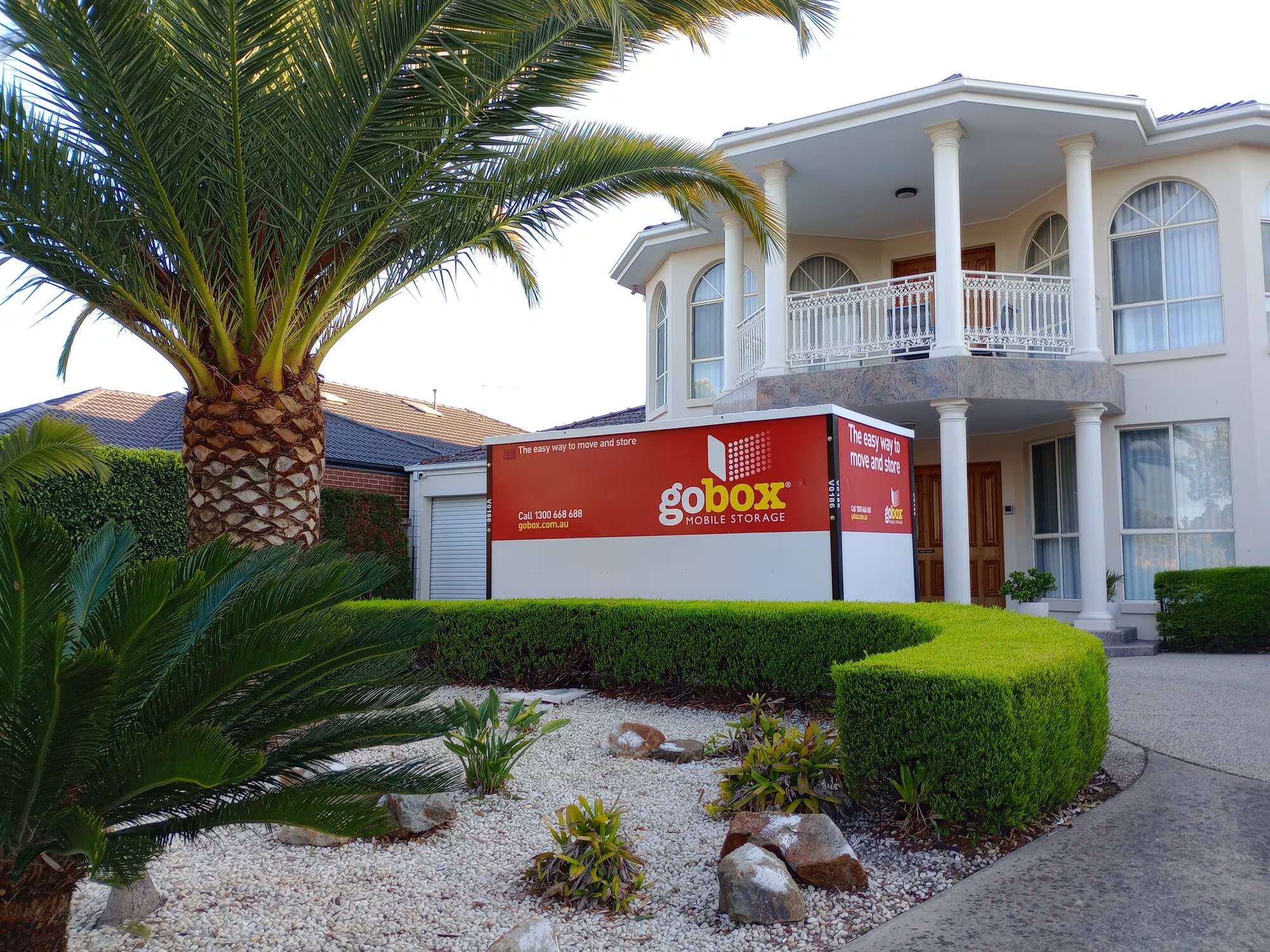
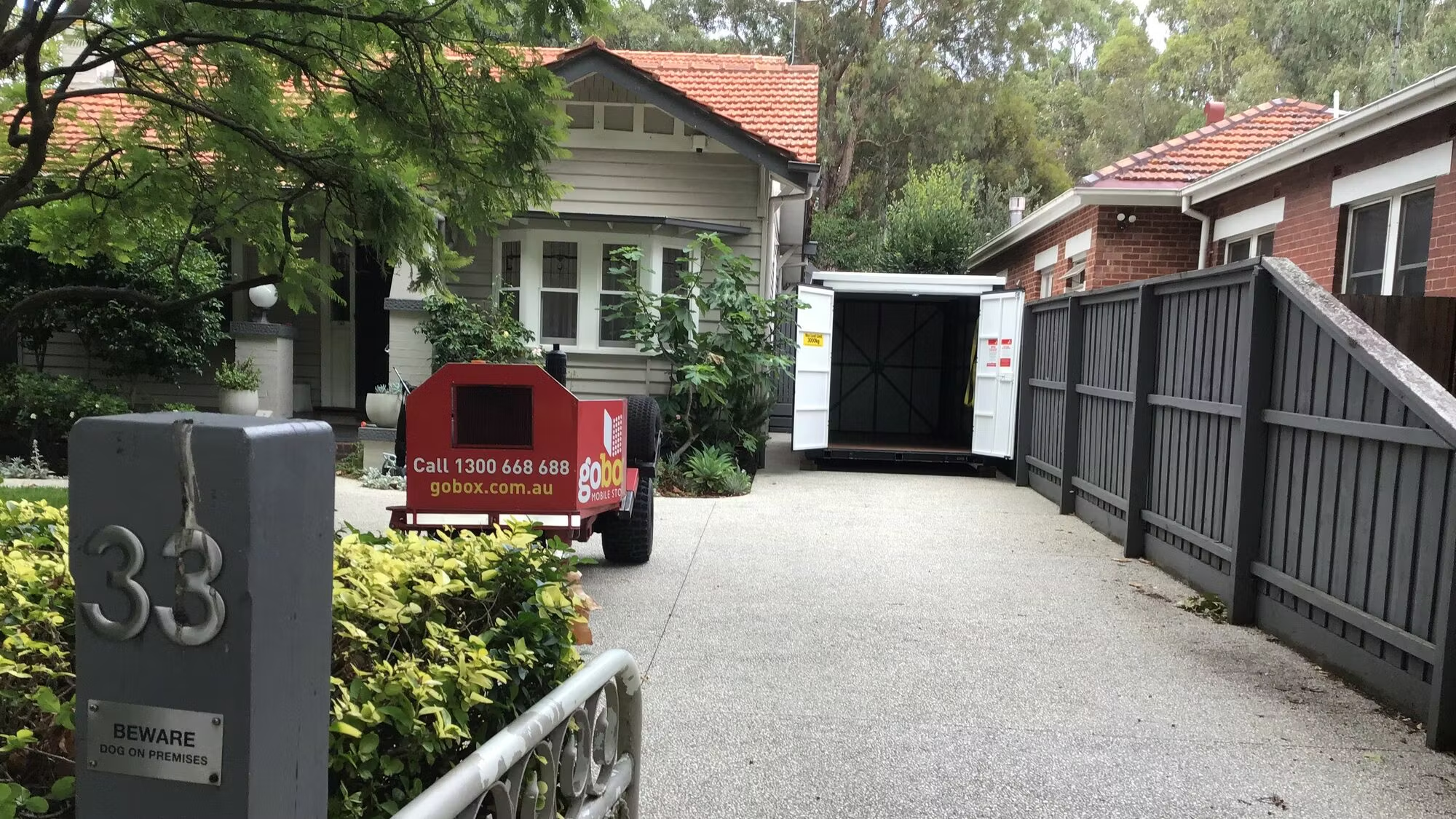
With gobox, a storage container can be delivered to your property so you can load your belongings without making repeated trips back and forth to a self-storage facility.
Portable storage can be particularly useful when:
- Moving between homes
- Settlement dates don't line up
- Renovating before moving in
- Downsizing
- Preparing a property for sale
- Temporarily storing furniture
- Moving in stages
- Waiting for your new home to be ready
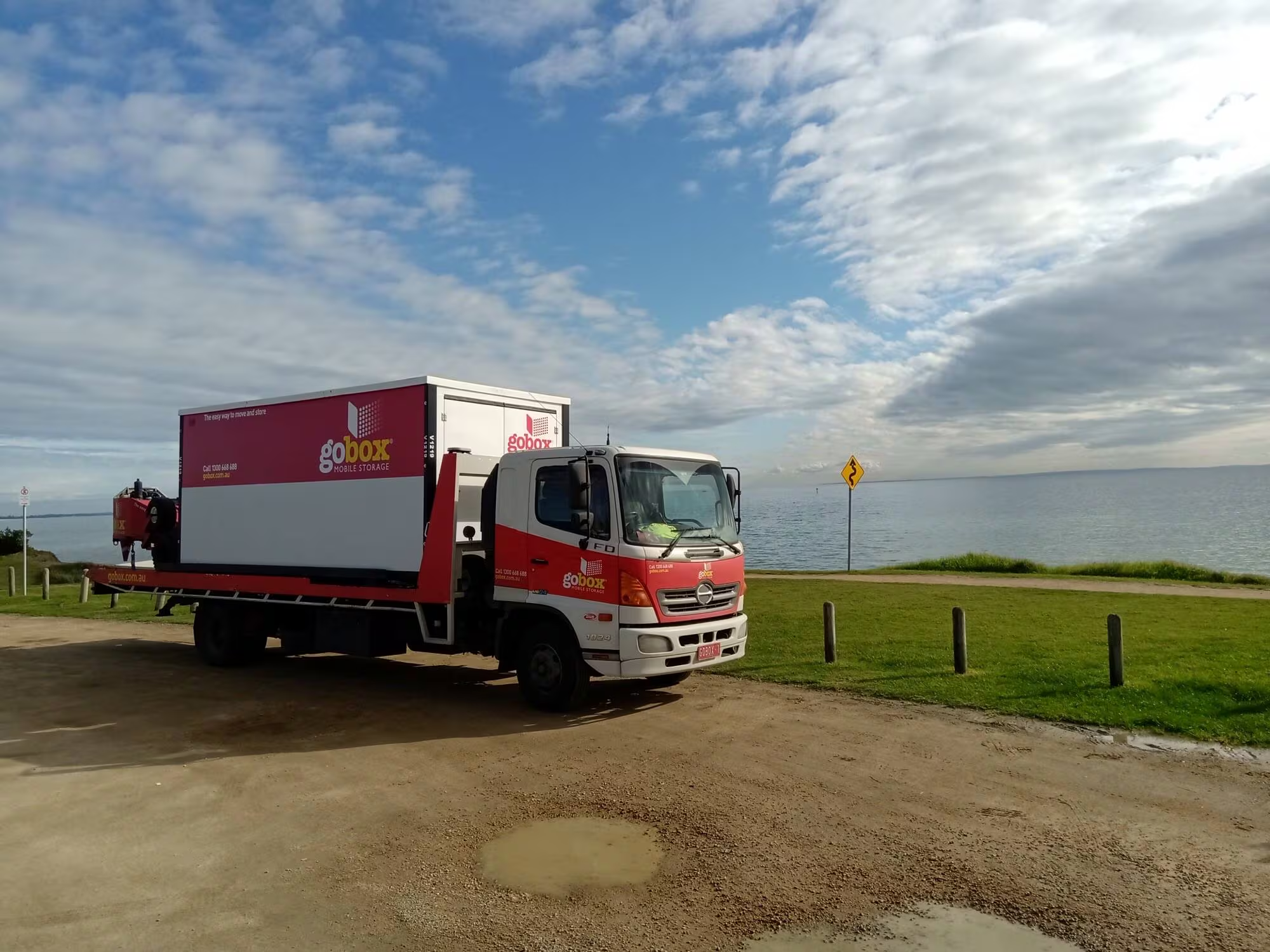
Once your belongings are packed, we can collect the container and store it until you're ready for them again.
What If My Settlement Dates Don't Line Up?
Moving out of one property before the next property is ready can create a frustrating gap.
You may need somewhere to keep your furniture and household belongings for several days, weeks or even longer.
Portable storage can simplify this process.
Instead of moving your belongings into temporary accommodation, unloading them into a storage facility and then loading everything again when your new property is ready, you can pack your belongings into a storage container for temporary storage.
When you're ready to move into your new home, your belongings can move on to the next stage.
How Many Storage Containers Will I Need?
No single number works for every household.
The number of storage containers you'll need depends on:
- The size of your home
- How much furniture you own
- Your number of moving boxes
- Garage and shed contents
- Outdoor furniture
- Whether furniture can be dismantled
- How much you've decluttered
- Whether you're storing your entire household or only selected items
For larger moves, using multiple containers can also make it easier to organise your belongings.
Not Sure What Size Storage Container You Need?
You don't have to guess.
Start by listing your larger furniture and appliances, then estimate how many boxes you'll have once everything is packed.
The gobox team can then help you work out a suitable storage solution based on what you're moving.
Whether you're moving directly into your next home, dealing with a gap between settlement dates, downsizing or simply need somewhere to keep your furniture while you get organised, gobox provides portable storage solutions designed to make moving easier.
Need help working out how much storage you need? Contact gobox to discuss your move and storage requirements.
Frequently Asked Questions
What size storage container do I need for a 3-bedroom house?
The amount of storage required for a three-bedroom house depends on how much furniture you own, the number of boxes you're moving and whether you also need to store garage or outdoor items. Bedroom count is a useful starting point, but an inventory of your larger belongings will provide a better estimate.
How do I calculate how much storage space I need?
Start by listing your largest furniture, appliances and outdoor items. Then estimate how many boxes you'll have. Don't forget belongings stored in your garage, shed, wardrobes and outdoor areas.
Can I use more than one storage container when moving house?
Yes. Multiple containers can be useful for larger households or staged moves. They can also make it easier to separate belongings you need immediately from items that can remain in storage.
Can I store furniture in a portable storage container?
You can use portable storage for household furniture during moves, renovations, and settlement delays. Protect and pack furniture properly before storage.
How can I reduce the amount of storage space I need?
Declutter before packing, dismantle suitable furniture, use stackable boxes and avoid paying to move or store belongings you no longer need.
When should I organise storage before moving?
It's generally easier to organise storage before your main packing begins. This gives you time to declutter, estimate how much you're moving, and plan how your belongings will be packed.
What happens if I don't know how much storage I need?
If you're unsure, make an approximate list of your furniture, appliances and boxes and speak with gobox. The team can help you determine a suitable storage solution for your move.