

Moving house can be stressful, especially when packing, moving and unpacking all need to happen within a short window.
Storage pods can make the process more flexible by bringing the storage space directly to your property. Instead of packing everything the day before moving day, you can load your belongings gradually, store them if needed, and arrange delivery when you're ready to unpack.
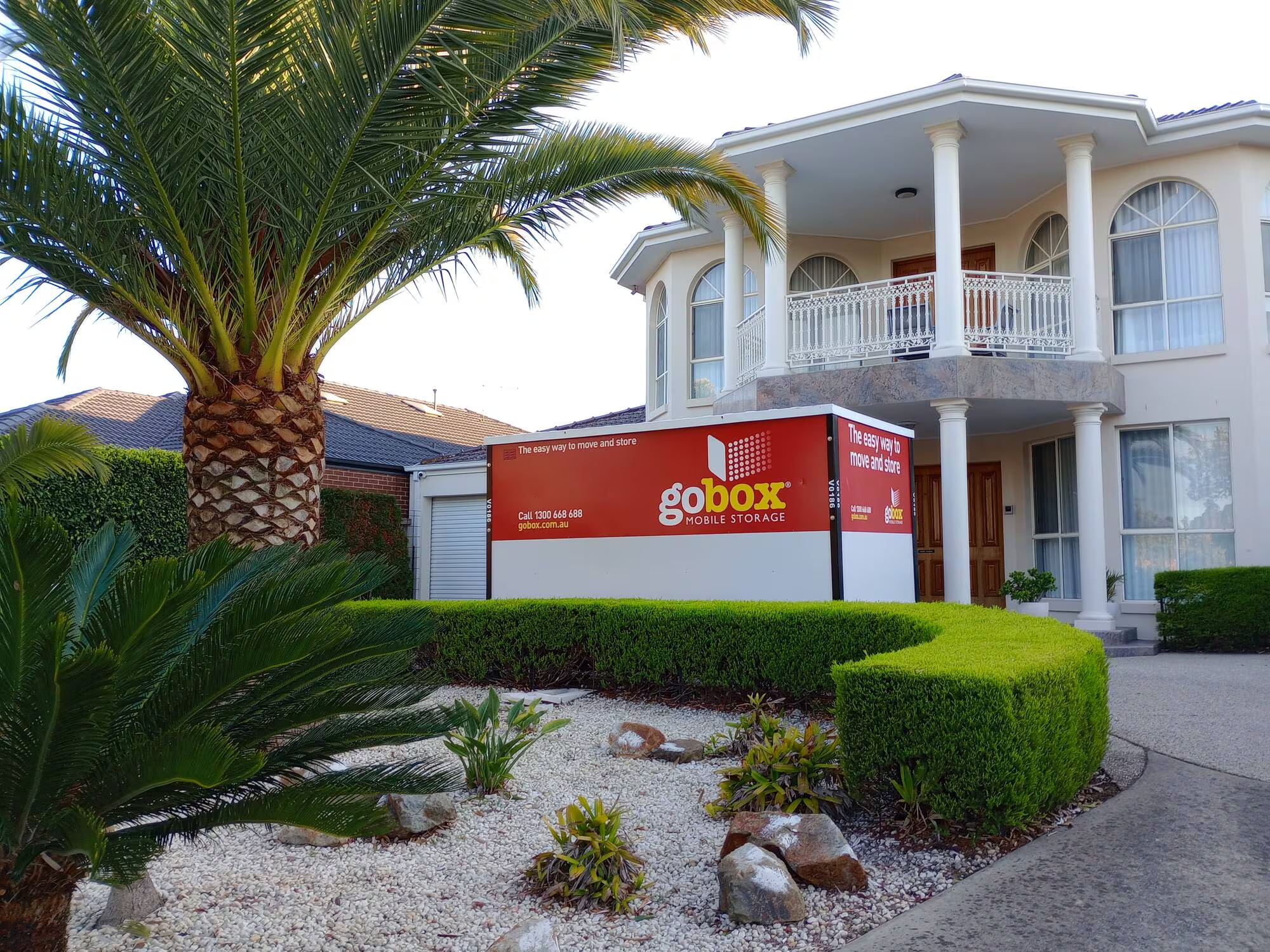
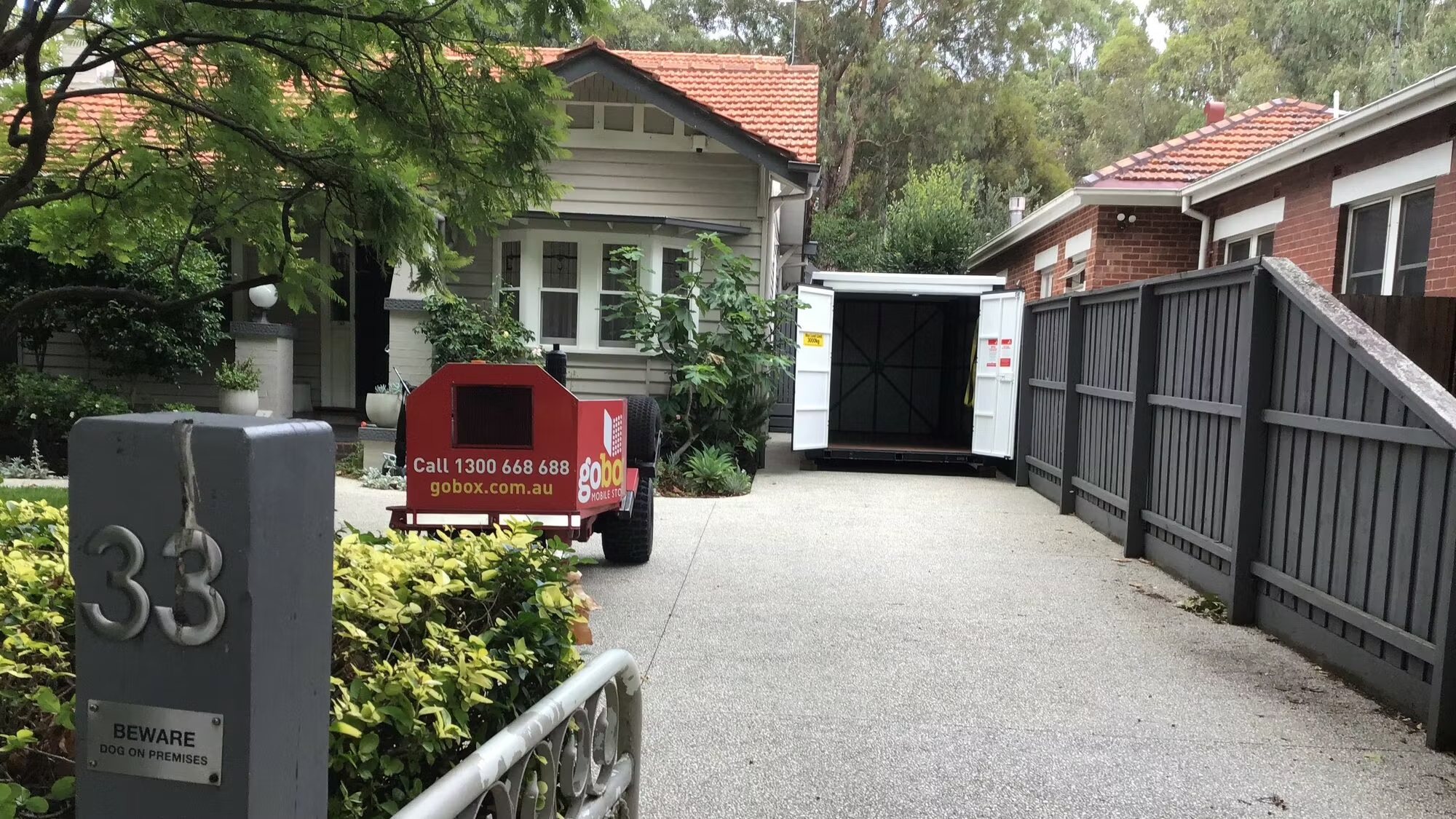
With gobox moving house storage, your storage container is delivered to your home, giving you more control over when you pack and move.
Use this moving checklist to plan your move with a storage pod from the first declutter through to unpacking at your new home.
4+ Weeks Before Moving: Plan Your Move
Start by confirming the important dates.
Work out:
- When you need to leave your current property
- When you can access your new home
- Your expected settlement date
- Whether there's likely to be a gap between properties
- How much you're taking with you
- Whether you need storage between homes
- When you want your storage pod delivered
This is also the time to decide how you'll move.
You might use removalists, hire a truck, or use a storage pod that lets you combine packing, storage, and moving.
If you're comparing the options, read our guide to moving pods vs removalists vs truck hire.
3–4 Weeks Before Moving: Work Out What You're Taking
Before your storage pod arrives, start working through your belongings.
Moving house is a good opportunity to separate everything into four groups:
Keep — coming to the new home.
Sell — belongings you no longer need that still have value.
Donate — useful items you don't want to move.
Store — belongings you want to keep but don't immediately need.
Starting this process before packing means you don't waste valuable storage space on things you no longer want.
If you're also clearing your home before selling, decluttering storage can give you somewhere to keep furniture and household belongings while you prepare the property.
3 Weeks Before Moving: Choose the Right Storage Pod Size
One of the most important decisions is how much storage space you'll need.
Don't base your estimate on boxes alone. Large furniture and household items can take up a lot of space.
Make a rough list of:
- Beds and mattresses
- Couches
- Dining furniture
- Cabinets and drawers
- Appliances
- Outdoor furniture
- Bikes
- Sporting equipment
- Moving boxes
Then compare the available gobox storage container sizes and choose an option based on what you're actually moving.
Planning this early reduces the risk of running out of space halfway through packing.
2–3 Weeks Before Moving: Have Your Storage Pod Delivered
This is where using a storage pod can make moving house different from a traditional one-day move.
Rather than waiting until the last minute, your container can be delivered to your property so you can start loading belongings you don't need.
With gobox:
We deliver → You pack → Store @ Yours or Store @ Ours → We return it when you need it.
You can pack where your belongings already are instead of loading everything into a vehicle and taking it to a separate storage facility.
If you've never moved this way before, our guide to how moving house with a storage container works explains the process in more detail.
2–3 Weeks Before Moving: Start Packing Your Storage Pod
Don't start with the kettle and your everyday clothes.
Start loading belongings you won't need before moving day.
Good items to pack early include:
- Seasonal clothing
- Books
- Decorations
- Spare bedroom furniture
- Artwork
- Sporting equipment
- Garage items
- Outdoor belongings
- Extra kitchenware
- Boxes already in storage
This lets you gradually clear rooms without disrupting everyday life.
Our guide to what to store during a move can help you decide what can go into your storage pod early and what should remain accessible.
Pack Your Storage Pod Strategically
How you load a storage pod matters.
Start with heavier, larger items, and use smaller boxes to fill gaps where appropriate.
When packing:
- Disassemble suitable furniture
- Protect furniture surfaces
- Keep boxes manageable to lift
- Put heavier boxes underneath lighter ones
- Avoid leaving unnecessary empty spaces
- Label every box
- Keep fragile items appropriately protected
- Don't pack belongings you'll need before the move
Think about the order you'll need things at the other end too.
Make items you'll need first easier to access when you unpack.
For more detailed packing advice, use our moving house packing checklist.
1–2 Weeks Before Moving: Clear the Larger Furniture
Once you've packed most of your non-essential belongings, start dealing with furniture.
Measure larger pieces and check whether they'll fit into the new property.
Consider:
- Door widths
- Hallways
- Staircases
- Lifts
- Room dimensions
- Built-in storage
- Access at the new property
If you're unsure whether particular pieces will work in your new home, you don't necessarily need to get rid of them before moving.
Furniture storage lets you keep larger items stored until you've settled in and decided what you have room for.
1 Week Before Moving: Pack Most of the House
By the final week, you can pack most belongings you don't use every day.
The advantage of having a storage pod already available is that packed boxes don't need to take over every room in your home.
Continue loading your everyday essentials separate while you continue loading your container.
At this stage:
- Finish packing non-essential rooms
- Label all remaining boxes
- Disassemble suitable furniture
- Confirm your moving dates
- Check access at your new property
- Organise utilities
- Update your address
- Keep important documents separately
The goal is to leave only the things you'll genuinely need during your final few days.
2–3 Days Before Moving: Prepare an Essentials Box
One of the biggest mistakes you can make when using a storage pod is packing something you'll need before you return the container.
Prepare a separate essentials box or bag containing:
- Identification
- Important documents
- Medications
- Phone chargers
- Toiletries
- Toilet paper
- Cleaning supplies
- Clothing
- Children's essentials
- Pet supplies
- Basic kitchen items
- Bedding
- Valuables
Keep this with you during the move rather than putting it into storage.
Moving Day: Finish Loading Your Storage Pod
By moving day, most of the hard work should already be done.
Load the remaining furniture and boxes that you no longer need access to.
Then complete a final check of:
- Bedrooms
- Wardrobes
- Kitchen cupboards
- Garage
- Shed
- Laundry
- Outdoor areas
- Storage cupboards
- Behind doors and furniture
Keep keys, documents, valuables and your essentials box with you.
The advantage is that you're not starting the packing process on moving day — you're simply finishing it.
What Happens to Your Storage Pod After You Move?
This depends on your moving timeline.
If your new property is ready, your storage container can be transported as arranged so you can start unpacking.
But if the dates don't line up, storage becomes particularly useful.
Your belongings can remain packed while you wait for your next property.
This means you don't necessarily have to:
Old house → truck → temporary storage → truck → new house
Instead, the same container can remain packed through the storage period.
Using Storage Pods Between Houses
Sometimes you need to leave your current home before the next one is ready.
This can happen because of:
- Settlement delays
- Lease dates not aligning
- Construction delays
- Renovations
- Temporary accommodation
- Selling before buying
- Unexpected changes to your move
Instead of finding temporary storage for all your furniture, temporary storage while moving house can help bridge the gap.
Your belongings stay packed until you're ready to receive them.
That's one of the biggest reasons storage pods can work particularly well for moves where the timeline isn't completely predictable.
Storage Pods vs Traditional Self Storage When Moving
Traditional self storage usually requires you to transport your belongings to the storage facility yourself.
That might mean:
Pack → load vehicle → drive to storage → unload → store → reload vehicle → drive to new home → unload again
With mobile storage, the storage container comes to you.
That can reduce how often you have to handle furniture and boxes.
It's particularly useful when you need storage as well as transport because your belongings can remain packed in the same container while you're between properties.
Storage Pods vs Hiring a Moving Truck
Truck hire can work well when everything is packed, both properties are available and you're comfortable completing the move within the hire period.
Storage pods provide a different type of flexibility.
Instead of packing everything before collecting a truck, you can have your storage delivered earlier and load progressively.
If your new home isn't ready, you also have a storage solution already built into the moving process.
For a detailed comparison, see moving pods vs removalists vs truck hire.
How Much Do Storage Pods Cost When Moving?
The overall cost depends on factors such as:
- Container size
- Storage duration
- Location
- Transport requirements
- Whether storage is required
- How long you keep the container
When comparing storage pods with other moving methods, consider the whole process rather than just one advertised price.
For example, truck hire may also involve fuel and additional storage if your properties aren't available at the same time.
Traditional self storage may require you to arrange transport to and from the facility.
You can view gobox mobile storage costs when working out the likely cost of your move.
Moving Checklist Using a Storage Pod
4+ Weeks Before Moving
- Confirm your moving dates
- Check settlement or lease dates
- Decide how you're moving
- Work out whether storage is required
- Start decluttering
3 Weeks Before Moving
- Estimate how much you're storing
- Choose your storage container size
- Sell or donate unwanted belongings
- Start packing non-essentials
- Arrange storage pod delivery
2–3 Weeks Before Moving
- Have your storage pod delivered
- Start loading non-essential belongings
- Pack seasonal items
- Pack spare-room contents
- Clear garage and storage areas
- Label boxes carefully
1–2 Weeks Before Moving
- Start loading larger furniture
- Measure furniture for the new property
- Confirm access at both properties
- Organise utilities
- Update your address
- Continue packing
Final Week
- Pack most remaining belongings
- Keep everyday essentials separate
- Confirm your moving arrangements
- Prepare your essentials box
- Finish cleaning empty areas
Moving Day
- Finish loading
- Keep valuables and documents with you
- Complete a final property check
- Confirm keys
- Take meter readings where required
- Keep your essentials box accessible
After Moving
- Arrange delivery when you're ready
- Unpack essential rooms first
- Work through your container gradually
- Reassess anything you no longer need
Frequently Asked Questions About Moving With Storage Pods
How do storage pods work when moving house?
A storage pod or mobile storage container is delivered to your property so you can pack your belongings directly into it. Depending on the provider and service, you can then store or transport it before returning it when you're ready to unpack.
How early should I get a storage pod before moving?
This depends on how gradually you want to pack. Having storage available before moving day lets you start with non-essential belongings and gradually clear your home, rather than packing everything at once.
What should I pack first in a storage pod?
Start with belongings you won't need before moving, such as seasonal items, books, spare-room contents, decorations, and rarely used household items. Keep everyday essentials accessible until closer to moving day.
Can storage pods be used between houses?
Yes. One of their most useful applications is when there's a gap between leaving one property and accessing another. Your belongings can remain stored during the gap rather than being moved into temporary accommodation.
Are storage pods useful for settlement delays?
They can be particularly useful if your belongings have already been packed but settlement or access to the new property is delayed. Built-in storage gives you more flexibility if your dates change.
What size storage pod do I need for moving house?
The right size depends on the amount of furniture, appliances and boxes you're moving. Make an inventory of your largest items first and compare it with the available storage container sizes.
Make Moving Easier With gobox
A storage pod turns moving from one enormous day into a process you can manage over time.
You can have your storage delivered before the move, so you can pack gradually. If there's a gap between properties, you can store your belongings. When you're ready to unpack, you can return your container.
If you're planning a move in Melbourne or Adelaide, explore gobox moving house storage to see how mobile storage can fit into your moving timeline.
Pack at your pace. Store if you need to. Move when you're ready.