


Moving house can get stressful quickly.
Between packing, organising utilities, cleaning, coordinating moving dates, and figuring out how everything will get from one property to another, it’s easy to overlook something.
Many moving problems don’t come from one major disaster. They’re usually the result of smaller mistakes — packing too late, moving belongings you don’t need, underestimating how much space you need or assuming you’ll get the keys to your new home exactly when expected.
A little preparation can make the process much easier.
Here are 10 common moving house mistakes to avoid and some practical ways to make your next move more manageable.
1. Leaving All Your Packing Until the Last Minute
One of the most common moving mistakes is underestimating how long packing actually takes.
It’s easy to look around your home and think you’ll get everything packed over a weekend. Then you start opening cupboards, wardrobes, drawers and the garage and realise how much you’ve accumulated.
Instead, start with belongings you don’t use every day, such as:
- Seasonal clothing
- Books
- Decorative items
- Spare bedroom contents
- Garage items
- Sporting equipment
- Extra kitchenware
- Artwork
- Stored boxes
- Furniture you won’t need before the move
Packing gradually means there is much less to do as moving day approaches.
If you’re not sure where to begin, our moving house packing checklist takes you through what to organise and when to start.
2. Moving Everything You Own
Moving house is a good opportunity to work out whether you actually want everything in your current home to come with you.
There’s little point packing, transporting and unpacking belongings you haven’t used in years.
Before packing each room, separate your belongings into four categories:
Keep — definitely coming to the new home.
Sell — things you don’t need but which still have value.
Donate — useful belongings you’re happy to give away.
Store — things you want to keep but don’t immediately need in the new home.
If you need more time to decide what stays and what goes, decluttering storage can give you somewhere to keep furniture and household belongings without forcing you to make every decision before moving day.
3. Underestimating How Much Space You’ll Need
Another common moving mistake is assuming everything will fit into the vehicle or storage space you’ve organised.
Furniture takes up more room than many people expect, particularly once you add mattresses, appliances, outdoor furniture and moving boxes.
Before choosing your moving or storage option, make a rough inventory of your largest belongings.
Start with:
- Beds and mattresses
- Couches
- Dining tables
- Cabinets
- Drawers
- Appliances
- Outdoor furniture
- Bikes
- Large boxes
Then estimate how many additional moving boxes you’ll have.
If you’re considering mobile storage, compare the available gobox storage container sizes before you start packing.
Planning the space beforehand is much easier than discovering halfway through the move that you’ve run out of room.
4. Not Measuring Your Furniture
Just because a piece of furniture fits comfortably in your current home doesn’t mean it will work in the next one.
Measure your larger furniture before moving day and compare those measurements with your new property where possible.
Pay particular attention to:
- Doorways
- Hallways
- Staircases
- Lifts
- Room dimensions
- Ceiling heights
- Built-in cabinetry
- Garage access
You should also think about whether the furniture makes sense in the new room.
A large couch might technically fit through the front door but leave very little usable space once it’s inside.
If you want to keep furniture that won’t immediately fit into your new home, furniture storage can give you somewhere to keep it while you decide what to do next.
5. Packing Boxes Without a System
Packing everything into whichever box is closest might feel efficient at the time.
The problem appears when you arrive at your new home.
You don’t want to open six boxes looking for the kettle, phone charger or children’s bedding.
Label each box with at least:
Room: Kitchen
Contents: Plates, glasses and bowls
Priority: Unpack first / later
You can also number boxes and keep a simple list on your phone.
For example:
Box 12 — Kitchen — everyday cookware
That makes it much easier to locate something without opening every box.
Clearly labelling fragile items is also important, particularly if your belongings will spend time in storage before reaching your new home.
6. Packing Moving-Day Essentials Into Storage
Some belongings should stay with you throughout the move.
Before packing everything away, prepare an essentials bag or box with what you’ll need during the first day or two.
This could include:
- Identification
- Important documents
- Medications
- Phone chargers
- Toiletries
- A change of clothes
- Basic cleaning products
- Snacks and drinks
- Children’s essentials
- Pet supplies
- Basic tools
- Toilet paper
- Bedding
- Anything valuable or personally important
You don’t want to arrive at your new property and realise something essential is buried at the back of a packed storage container.
Our guide to what to store during a move can help you decide which belongings to pack away early and which to keep accessible.
7. Assuming Your Moving Dates Will Line Up Perfectly
Moving from one property directly into another sounds straightforward.
In reality, moving dates don’t always cooperate.
You might need to leave your current property before your new lease begins. Settlement may be delayed. Your new home may still be undergoing work. Or you might need to stay with friends, family or in temporary accommodation for a period.
Without a plan, you’re suddenly left trying to work out where an entire household of furniture and boxes can go.
Temporary storage while moving house can help bridge that gap.
With mobile storage, you can pack your belongings at your current property and have the loaded container stored until your next home is ready.
This can reduce double handling because you don’t necessarily need to unload everything into a temporary storage room and then reload it when it’s time to move.
8. Choosing How You’ll Move Based on Price Alone
Hiring a truck may seem cheaper than other moving options at first. Removalists may seem easier. Mobile storage may provide more flexibility.
But the best option depends on your move.
Consider more than the initial advertised price. Think about:
- How much you’re moving
- How far you’re travelling
- Whether you can pack yourself
- How quickly you need to move
- Vehicle hire
- Fuel
- Labour
- Storage requirements
- How many times belongings need to be handled
- Whether your moving dates line up
Our comparison of moving pods vs removalists vs truck hire looks at the differences in more detail.
If you already know you’ll need storage as part of the move, combining moving and storage can simplify the process.
9. Trying to Do the Entire Move in One Day
There’s no rule saying your entire home needs to be packed, moved and unpacked in a single day.
Trying to do everything at once can make moving day much harder than it needs to be.
A mobile storage container lets you break the process into stages.
You can start packing non-essential belongings before moving day, gradually clear rooms, and leave only the things you still need.
Moving house storage can be particularly useful if you want to pack at your own pace or need storage between leaving one property and moving into the next.
With gobox, the process is straightforward:
We deliver → You pack → Store @ Yours or Store @ Ours → We return it when you need it.
Instead of organising separate transport and storage, you can use the same container through different stages of your move.
If you’ve never used this approach before, our guide to how moving house with a storage container works explains the process in more detail.
10. Forgetting to Budget for the Whole Move
Moving expenses can add up quickly.
Depending on how you move, costs could include:
- Removalists
- Truck or trailer hire
- Packing materials
- Cleaning
- Storage
- Fuel
- Utility connections
- Temporary accommodation
- Additional trips between properties
When comparing options, look at the overall cost rather than one individual price.
For example, traditional self storage may involve storage fees plus hiring a suitable vehicle to transport your belongings to and from the facility.
Mobile storage brings the container to you, which changes how the moving and storage process works.
If you’re considering gobox, see our mobile storage costs for information about pricing and available options.
How Can Mobile Storage Make Moving House Easier?
One of the biggest challenges when moving is that packing, moving and storage often happen at different times.
Mobile storage allows those stages to work together.
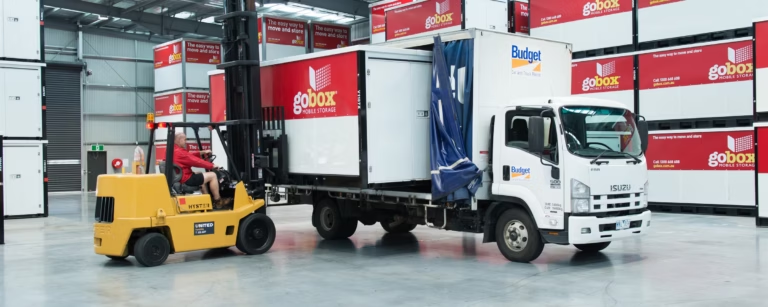
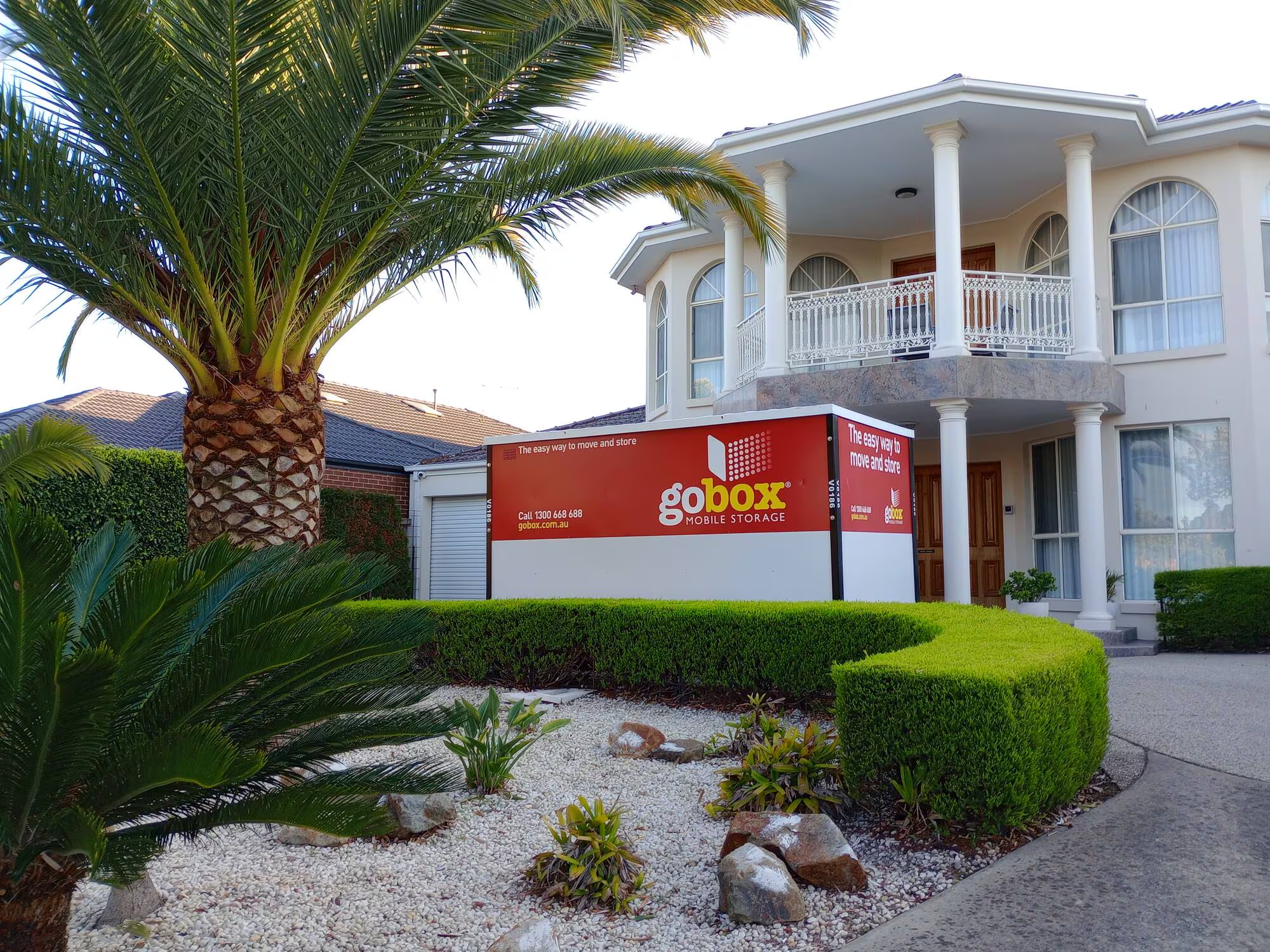
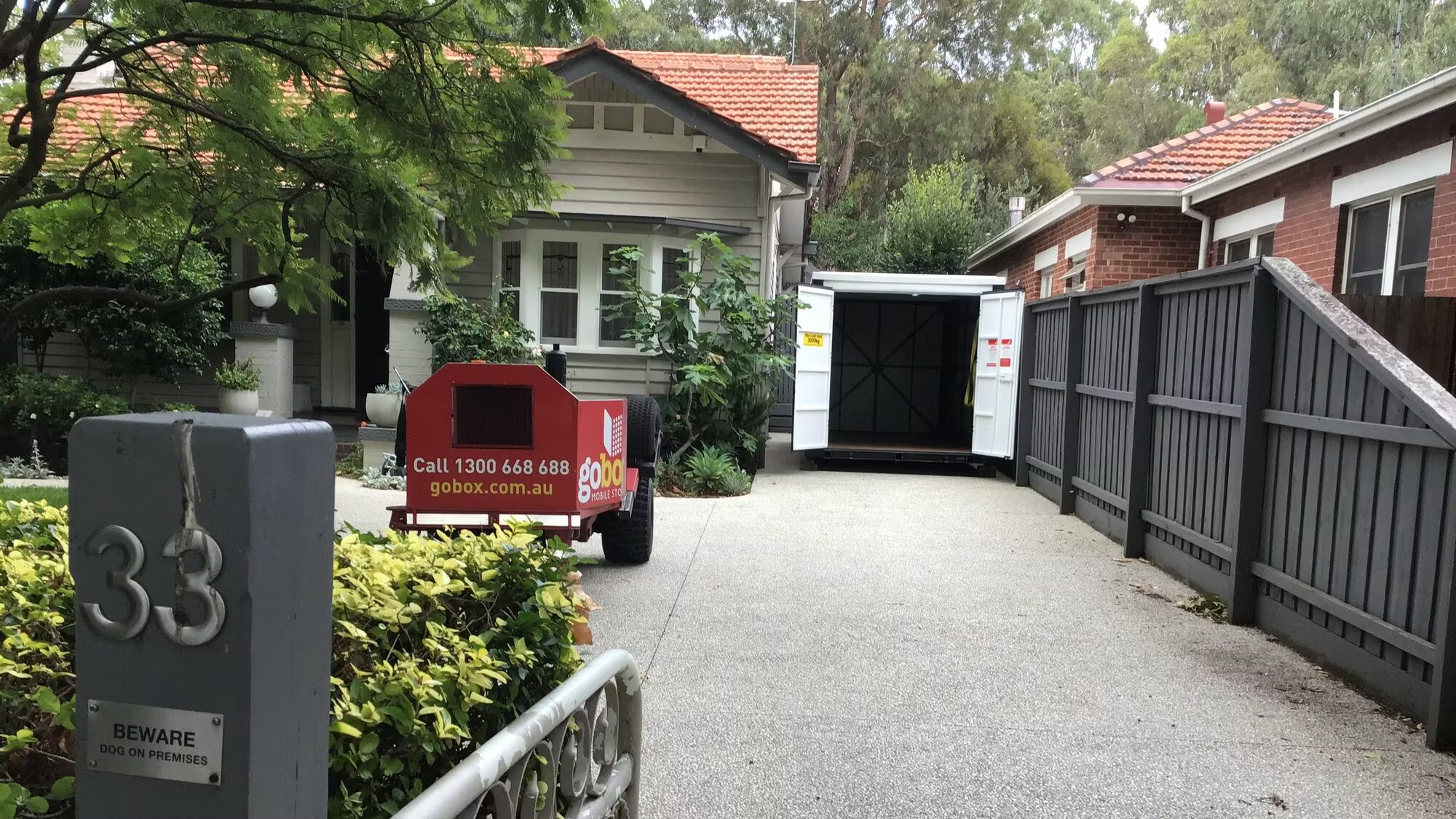
Your gobox is delivered to your property so you can load it where your belongings already are.
Depending on your circumstances, you can then keep it onsite where suitable or arrange for it to be collected for storage.
When you’re ready, you can return your gobox.
This can be useful when:
- You want to start packing early
- You’re decluttering before selling
- Settlement dates don’t align
- You’re between rental properties
- Your new home isn’t ready
- You’re staying in temporary accommodation
- You want to reduce double handling
- You need storage as part of the move
Explore moving house storage if you want a more flexible way to combine moving and storage.
Moving House Checklist: Before Moving Day
Avoiding common moving mistakes is much easier when you start preparing early.
Before moving day:
- Confirm your moving date
- Check your settlement or lease dates
- Measure large furniture
- Declutter before packing
- Sell or donate unwanted belongings
- Start packing non-essential items early
- Clearly label every box
- Keep important documents separately
- Prepare a moving-day essentials box
- Check access at both properties
- Work out how much moving or storage space you need
- Arrange temporary storage if your dates don’t align
- Confirm utilities and address changes
- Keep valuables and essential medications with you
- Have a backup plan if your moving timeline changes
You can also use our full moving house packing checklist when you’re ready to start packing.
Frequently Asked Questions About Moving House
What are the most common mistakes when moving house?
Common moving mistakes include leaving packing too late, moving belongings you don’t need, underestimating how much space you need, failing to label boxes, packing away essentials, and assuming your old and new properties will be available at exactly the right times.
How early should you start packing before moving house?
Start with belongings you rarely use several weeks before moving, where possible. Pack everyday essentials closer to moving day. Starting early helps you avoid packing your entire home at once.
What should you pack first when moving house?
Start with non-essential belongings such as seasonal items, books, decorations, spare-room contents and things stored in garages or cupboards. Leave everyday kitchenware, clothing, toiletries and other essentials until later.
What should you keep with you on moving day?
Keep identification, important documents, medications, valuables, phone chargers, toiletries and other essentials with you. Anything you’re likely to need immediately when you arrive at your new home should also remain easily accessible.
What happens if you have to move out before your new home is ready?
Temporary storage can bridge the gap between properties. You can pack and store your belongings until you have access to your new home, rather than moving everything into temporary accommodation.
Is mobile storage useful when moving house?
Mobile storage can help if you want to pack gradually, need temporary storage between properties, or want to avoid transporting your belongings to a separate storage facility yourself. With gobox, the storage container is delivered to your property for you to pack.
Avoid Moving Mistakes With a Better Plan
A smoother move usually comes down to preparation.
Start packing early, get rid of things you no longer need, measure your furniture, label your boxes and keep your everyday essentials accessible.
Most importantly, don’t assume everything has to happen in one day.
If you need more flexibility, gobox moving house storage lets you pack at your property, store your belongings if needed, and arrange delivery when you’re ready to unpack.
That gives you more control over the move — whether everything goes exactly to plan or your moving dates have other ideas.